Understanding Indemnification and Hold Harmless Agreements
Understanding indemnification and hold harmless agreements is critical for anyone managing business contracts, vendor relationships, or construction projects. These legal provisions shift liability between parties and can significantly impact your financial exposure when incidents occur. In this comprehensive guide, you'll learn what these agreements mean, how they work, when they're used, and how to protect your business while staying compliant with contractual obligations.
Understanding indemnification and hold harmless agreements is critical for anyone managing business contracts, vendor relationships, or construction projects. These legal provisions shift liability between parties and can significantly impact your financial exposure when incidents occur. In this comprehensive guide, you'll learn what these agreements mean, how they work, when they're used, and how to protect your business while staying compliant with contractual obligations.
Table of Contents
- What Are Indemnification and Hold Harmless Agreements?
- Types of Indemnification Clauses
- How These Agreements Work in Practice
- Best Practices for Managing Indemnification Agreements
- Common Mistakes to Avoid
- Key Takeaways
What Are Indemnification and Hold Harmless Agreements?
Indemnification and hold harmless agreements are contractual provisions that transfer risk from one party to another. While often used interchangeably, these terms have subtle but important differences that affect how liability is allocated when something goes wrong.
Indemnification Defined
Indemnification is a contractual obligation where one party (the indemnitor) agrees to compensate another party (the indemnitee) for specific losses, damages, or liabilities. This compensation typically covers legal fees, settlement costs, judgments, and other expenses arising from claims or lawsuits.
For example, a contractor might agree to indemnify a property owner for any injuries that occur due to the contractor's work. If someone gets hurt and sues the property owner, the contractor must pay for the owner's legal defense and any resulting damages.
Hold Harmless Defined
A hold harmless agreement prevents one party from holding another party legally responsible for specific risks or liabilities. Essentially, it says "you cannot sue me for this." While indemnification focuses on financial compensation, hold harmless clauses focus on preventing liability from attaching in the first place.
In practice, most contracts combine both concepts. A typical clause might state: "Contractor agrees to indemnify, defend, and hold harmless Owner from any claims arising from Contractor's work." This comprehensive language provides both financial protection (indemnification) and liability prevention (hold harmless).
Why These Agreements Matter
Understanding indemnification and hold harmless agreements protects your business from unexpected financial exposure. Without proper indemnification clauses, you could be held liable for damages caused by vendors, contractors, or other third parties. These agreements work alongside insurance requirements to create comprehensive risk management strategies. When reviewing vendor insurance compliance at Vendor Onboarding Insurance Checklist, indemnification provisions should receive equal attention to coverage limits and policy types.
Types of Indemnification Clauses
Not all indemnification clauses are created equal. The scope of protection varies significantly based on how the clause is written. Understanding these distinctions is essential when negotiating contracts or evaluating your risk exposure.
Broad Form Indemnification
Broad form (or unlimited) indemnification requires the indemnitor to cover all losses, regardless of who was at fault. Even if the indemnitee was partially or entirely responsible for the incident, the indemnitor still pays.
Example clause: "Contractor shall indemnify Owner from any and all claims arising from the work, regardless of the cause or who was negligent."
Many states have outlawed broad form indemnification in construction contracts because it's considered unfair. The party being asked to sign such an agreement should strongly resist or negotiate different terms.
Intermediate Form Indemnification
Intermediate form indemnification covers losses caused by both parties' negligence but excludes situations where the indemnitee was solely at fault. This represents a middle ground between broad and limited forms.
Example clause: "Contractor shall indemnify Owner for claims arising from Contractor's negligence or the joint negligence of both parties, but not for Owner's sole negligence."
This form is more balanced but still requires careful review. The indemnitor may be responsible for damages even when they were only partially responsible.
Limited Form Indemnification
Limited form (or comparative) indemnification is the most balanced approach. The indemnitor only covers losses to the extent they were at fault. If the indemnitor was 30% responsible for an incident, they pay 30% of the damages.
Example clause: "Contractor shall indemnify Owner for claims arising from Contractor's negligence, to the extent caused by Contractor's acts or omissions."
This is generally the fairest and most legally defensible form of indemnification. It aligns financial responsibility with actual fault.
How Indemnification Relates to Insurance
Indemnification agreements work hand-in-hand with insurance requirements. When you require a contractor to indemnify you, you also typically require them to carry adequate liability insurance to fund that indemnification obligation. Without proper insurance, an indemnification clause is only as good as the indemnitor's ability to pay. This is why verifying both contractual indemnification language and actual insurance coverage through proper COI tracking at Complete Guide Coi Tracking is essential for effective risk management.
How These Agreements Work in Practice
Understanding indemnification and hold harmless agreements in theory is one thing; seeing how they function in real-world scenarios helps clarify their practical implications. Let's walk through the lifecycle of these agreements from contract signing to claim resolution.
Step 1: Contract Negotiation and Review
The process begins when parties negotiate contract terms. The party seeking protection (typically the property owner, general contractor, or client) includes indemnification language in the agreement. The other party should carefully review this language with legal counsel before signing.
Key questions to ask during review:
- What type of indemnification is this (broad, intermediate, or limited)?
- Does my insurance policy cover this indemnification obligation?
- Are there any state laws that might invalidate this clause?
- Is the scope reasonable given the nature of the work?
- Does the clause include a duty to defend, or just indemnify?
Step 2: Insurance Verification
Once the contract is signed, the indemnitee should verify that the indemnitor carries adequate insurance. This typically involves requesting a certificate of insurance that confirms coverage types, limits, and additional insured status. The certificate should name the indemnitee as an additional insured, which extends the indemnitor's liability coverage to the indemnitee for covered claims.
Without additional insured status, the indemnification agreement may not be backed by insurance coverage, leaving the indemnitee exposed. Understanding the relationship between additional insured status and indemnification at What Is Additional Insured clarifies why both contractual and insurance protections must work together.
Step 3: When an Incident Occurs
When an incident triggers the indemnification clause, the process unfolds in several stages:
- Incident occurs: Someone is injured, property is damaged, or another covered event happens.
- Claim is filed: The injured party files a claim or lawsuit against one or both parties.
- Notice is provided: The indemnitee notifies the indemnitor of the claim and demands defense and indemnification per the contract.
- Insurance is triggered: The indemnitor's insurance company is notified and begins investigating.
- Defense is provided: If the contract includes a duty to defend, the indemnitor (through their insurer) provides legal representation for the indemnitee.
- Resolution: The claim is settled or adjudicated, and the indemnitor pays covered costs.
Real-World Example: Construction Site Injury
A property owner hires an electrical contractor to upgrade building wiring. The contract includes a limited form indemnification clause and requires the contractor to carry $2 million in general liability insurance with the owner named as additional insured.
During the work, a contractor's employee accidentally leaves exposed wiring, and a building tenant is shocked and injured. The tenant sues both the property owner and the contractor for $500,000 in damages.
Here's how the indemnification agreement works:
- The property owner immediately notifies the contractor of the lawsuit and demands indemnification.
- The contractor notifies their insurance carrier, who agrees to defend both the contractor and the owner (as additional insured).
- The insurer hires attorneys to defend the case and eventually settles for $350,000.
- Because the injury was caused by the contractor's negligence, the contractor's insurance pays all defense costs and the settlement amount.
- The property owner pays nothing out of pocket due to the indemnification agreement and additional insured status.
Without the indemnification clause and proper insurance verification, the property owner would have been responsible for their own legal defense (easily $100,000+) and potentially a portion of the settlement.
Best Practices for Managing Indemnification Agreements
Effectively managing indemnification and hold harmless agreements requires proactive systems and clear processes. These best practices help ensure your contractual protections remain enforceable and effective throughout the relationship.
1. Standardize Your Contract Language
Create standard indemnification clauses reviewed by legal counsel for different types of relationships (vendors, contractors, service providers). Standardization ensures consistency, reduces negotiation time, and minimizes the risk of unenforceable provisions. Your standard language should:
- Comply with applicable state laws
- Use clear, unambiguous language
- Specify whether duty to defend is included
- Define covered claims and exclusions
- Align with your insurance requirements
2. Link Indemnification to Insurance Requirements
Your indemnification clause should explicitly reference insurance requirements. Specify minimum coverage limits, required policy types, and additional insured status. The insurance section should state that coverage must be sufficient to fulfill indemnification obligations.
Example language: "Contractor's insurance coverage shall be sufficient to fulfill all indemnification obligations under this agreement. Contractor shall maintain minimum limits of $2,000,000 general liability coverage and name Owner as additional insured."
3. Verify Insurance Before Work Begins
Never allow work to begin without verifying current insurance coverage. Collect certificates of insurance and verify that coverage meets contractual requirements, including additional insured endorsements and waiver of subrogation provisions at What Is Waiver Of Subrogation. Create a systematic process for collection and verification.
4. Monitor Coverage Throughout the Relationship
Insurance policies expire, typically annually. Your indemnification protection evaporates if coverage lapses. Implement a tracking system to monitor expiration dates and automatically request renewal certificates. Manual tracking via spreadsheets becomes unmanageable with multiple vendors, making automated solutions essential for maintaining continuous coverage verification.
5. Document Everything
Maintain organized records of all contracts, certificates, endorsements, and communications. If a claim arises years later, you'll need to prove that proper insurance was in place when the incident occurred. Keep documents for at least the statute of limitations period in your jurisdiction (often 6-10 years).
6. Train Your Team
Everyone who manages vendor relationships should understand indemnification basics. They need to know when to escalate issues, how to verify insurance, and why these protections matter. Regular training ensures consistent enforcement of your policies and reduces the risk of gaps in coverage.
7. Review and Update Regularly
Laws change, business risks evolve, and insurance markets shift. Review your standard indemnification language and insurance requirements annually with legal counsel. What was adequate five years ago may no longer provide sufficient protection given current risk exposure and legal standards.
Common Mistakes to Avoid
Even experienced professionals make mistakes when handling indemnification and hold harmless agreements. Avoiding these common pitfalls protects your business from unnecessary risk and potential liability.
Mistake 1: Signing Without Legal Review
Many businesses sign contracts containing broad indemnification clauses without understanding the implications. A single signature can expose your company to unlimited liability for events beyond your control. Always have legal counsel review contracts before signing, especially those involving significant work scope or high-risk activities.
The cost of legal review is minimal compared to potential exposure from an unfavorable indemnification clause. Even small businesses should invest in contract review for major vendor or contractor relationships.
Mistake 2: Failing to Verify Additional Insured Status
A certificate of insurance is not enough. The certificate might show adequate coverage limits but fail to confirm that you're named as an additional insured. Without additional insured status, the contractor's insurance may refuse to defend or indemnify you when a claim arises.
Always request copies of actual endorsements confirming additional insured status, not just a certificate stating it exists. The difference between certificate holder and additional insured status at Named Insured Vs Additional Insured is critical for ensuring your indemnification rights are backed by insurance coverage.
Mistake 3: Allowing Coverage Gaps
Insurance policies expire, and contractors don't always renew on time. If an incident occurs during a coverage gap, your indemnification rights may be worthless because there's no insurance to fund the obligation. Implement automated tracking systems that alert you 30-60 days before policy expiration.
Don't allow work to continue if updated certificates aren't received by the expiration date. The risk of a single day without coverage isn't worth taking.
Mistake 4: Accepting Inadequate Coverage Limits
Your indemnification protection is limited by the indemnitor's insurance policy limits. If you require $1 million in coverage but potential claims could reach $5 million, you're exposed to the difference. Set insurance requirements based on realistic risk assessment, not arbitrary numbers.
Consider requiring umbrella or excess liability coverage for high-risk activities. The additional premium cost is minimal compared to the enhanced protection it provides.
Mistake 5: Using Unenforceable Language
Many states have anti-indemnity statutes that prohibit certain types of indemnification clauses, particularly in construction contracts. Using prohibited language makes your indemnification clause void and unenforceable. Stay current with state laws where your contracts will be performed.
For example, many states prohibit indemnification for the indemnitee's own negligence in construction contracts. If your standard clause includes such language, it may be completely invalid in those jurisdictions.
Mistake 6: Neglecting Waiver of Subrogation
Even with indemnification and additional insured status, your own insurance company might sue the contractor to recover amounts paid on your behalf (subrogation). This creates conflict and potential gaps in protection. Always require a waiver of subrogation endorsement that prevents such recovery actions.
Mistake 7: Poor Record Keeping
Claims can arise years after work is completed. If you can't produce the contract and proof of insurance that was in effect at the time of the incident, your indemnification rights may be difficult or impossible to enforce. Maintain organized, accessible records for the full statute of limitations period.
Digital storage with proper backup systems ensures documents remain accessible even if physical files are lost or damaged.
Key Takeaways
- Understanding indemnification and hold harmless agreements is essential for managing business risk and protecting against third-party liability.
- Indemnification requires one party to compensate another for losses, while hold harmless prevents liability from attaching in the first place.
- Three types of indemnification exist: broad form (often unenforceable), intermediate form, and limited form (most balanced and defensible).
- Indemnification agreements must be backed by adequate insurance coverage and additional insured status to be effective.
- Best practices include standardizing contract language, verifying insurance before work begins, and monitoring coverage throughout the relationship.
- Common mistakes include signing without legal review, failing to verify additional insured status, and allowing coverage gaps.
- State anti-indemnity laws may prohibit certain types of clauses, particularly in construction contracts.
- Proper documentation and organized record-keeping are essential for enforcing indemnification rights when claims arise.
Related Resources
- What is Additional Insured Status? — Learn how additional insured endorsements work with indemnification agreements to provide comprehensive liability protection. What Is Additional Insured
- Complete Guide to Waiver of Subrogation — Understand how waiver of subrogation clauses prevent insurance companies from undermining your indemnification protections. Waiver Of Subrogation Complete Guide
- Named Insured vs Additional Insured Status — Discover the critical differences between these designations and why additional insured status is essential for indemnification. Named Insured Vs Additional Insured
- The Legal Importance of Proper COI Documentation — Explore why maintaining accurate certificate of insurance records supports your indemnification rights. The Legal Importance Of Proper Coi Documentation
- Complete Guide to Certificate of Insurance Tracking — Learn systematic approaches to monitoring insurance coverage that backs your indemnification agreements. Complete Guide Coi Tracking
Frequently Asked Questions
What is the difference between indemnification and hold harmless?
Indemnification requires one party to compensate another for losses, damages, or legal expenses arising from specific events. Hold harmless prevents one party from holding another legally responsible for those events. While indemnification focuses on financial compensation after a claim, hold harmless focuses on preventing liability from attaching in the first place. Most contracts combine both concepts in a single clause stating that one party will "indemnify, defend, and hold harmless" the other party. This comprehensive language provides both financial protection and liability prevention, creating the strongest possible contractual protection against third-party claims.
Can I be required to indemnify someone for their own negligence?
It depends on state law and the specific contract language. Many states prohibit indemnification for the indemnitee's sole negligence, particularly in construction contracts. These anti-indemnity statutes make such provisions void and unenforceable. However, some states allow intermediate form indemnification where you might be responsible for losses caused by joint negligence of both parties. Before signing any contract with an indemnification clause, have it reviewed by legal counsel familiar with the laws in the state where the work will be performed. Never assume that unfair provisions are automatically unenforceable—some jurisdictions allow broad indemnification in commercial contracts even if they prohibit it in construction agreements.
How does additional insured status relate to indemnification agreements?
Additional insured status extends the indemnitor's insurance coverage to the indemnitee, providing the insurance funding needed to fulfill indemnification obligations. Without additional insured status, the indemnitor's insurance may refuse to defend or indemnify you when a claim arises, making the contractual indemnification worthless if the indemnitor lacks sufficient personal assets. When you're named as additional insured on someone's liability policy, their insurance company must provide you with defense and coverage for claims arising from the named insured's operations. This creates a direct insurance relationship that makes indemnification agreements practical and enforceable rather than just theoretical protections.
What happens if insurance coverage lapses during the contract period?
If insurance coverage lapses, your indemnification protection becomes unfunded and may be worthless if a claim arises during the gap. The indemnitor still has a contractual obligation to indemnify you, but without insurance, they must pay out of pocket—which may be impossible if damages are substantial. This is why continuous insurance verification is critical throughout any contract relationship. Implement tracking systems that alert you 30-60 days before policy expiration and require updated certificates before allowing work to continue. Some contracts include provisions that automatically suspend work if insurance lapses, protecting you from exposure during coverage gaps.
How long should I keep records of indemnification agreements and insurance certificates?
Keep all contracts, certificates of insurance, and related documents for at least the applicable statute of limitations period in your jurisdiction, typically 6-10 years after contract completion. Claims can arise years after work is finished, particularly for latent defects or injuries that manifest slowly over time. If you cannot produce the contract and proof of insurance that was in effect when an incident occurred, enforcing your indemnification rights becomes extremely difficult. Many businesses maintain permanent digital archives of all vendor contracts and insurance documentation to ensure accessibility regardless of how much time has passed. The cost of digital storage is minimal compared to the risk of losing critical documentation when defending against a claim.
Conclusion
Understanding indemnification and hold harmless agreements is fundamental to effective risk management in any business that works with vendors, contractors, or service providers. These contractual provisions shift liability between parties and can mean the difference between complete protection and devastating financial exposure when incidents occur.
The key to maximizing protection is recognizing that indemnification clauses are only as strong as the insurance backing them. Proper verification of coverage limits, additional insured status, and continuous monitoring throughout the contract period transforms theoretical contractual rights into practical financial protection.
By standardizing your contract language, implementing systematic insurance verification processes, and avoiding common mistakes like accepting inadequate coverage or allowing gaps, you create a comprehensive risk management framework that protects your business from third-party liability.
Start your free trial of PolicyManagerHub today to automate certificate tracking, monitor coverage expirations, and ensure your indemnification agreements remain properly backed by insurance throughout every vendor relationship.
CoverLedger Editorial Team
Expert insights on insurance compliance, COI tracking, and risk management from the CoverLedger team.
Related Articles

Construction Project Insurance Coverage Layers
Construction projects involve significant financial risk, complex liability exposures, and multiple parties working simultaneously. Understanding construction project insurance coverage layers is essential for protecting your business from catastrophic losses. This comprehensive guide explains how insurance layers work, why they matter, and how to structure adequate protection for projects of any size.
Subcontractor Insurance: What GCs Need to Verify
As a general contractor, you face significant liability exposure when subcontractors work on your projects. Without proper insurance verification, you could be held responsible for accidents, property damage, or injuries caused by subs. This comprehensive guide covers everything about subcontractor insurance: what GCs need to verify to protect their business, reduce risk, and maintain compliance.
Insurance Requirements for General Contractors
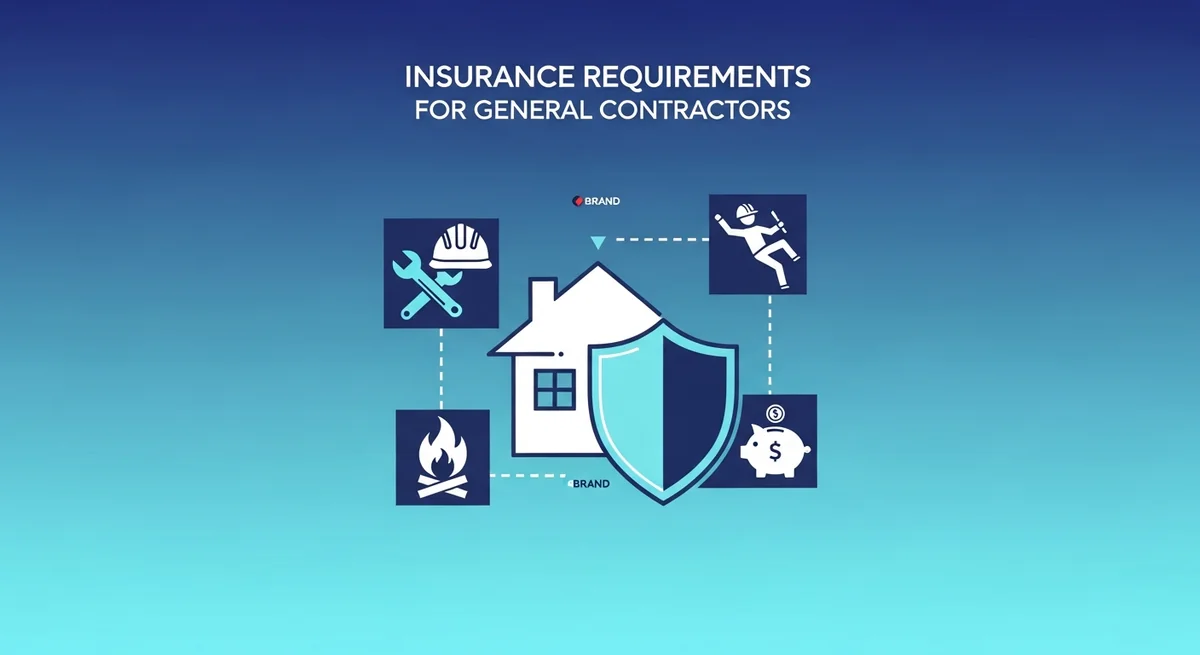
General contractors face unique liability exposures that require comprehensive insurance coverage. Whether you're building residential homes, commercial properties, or managing multiple subcontractors, understanding insurance requirements for general contractors is essential to protect your business, comply with contracts, and avoid costly gaps in coverage.