Insurance Compliance Insights

Expert guidance on certificate tracking, compliance automation, and risk management best practices.

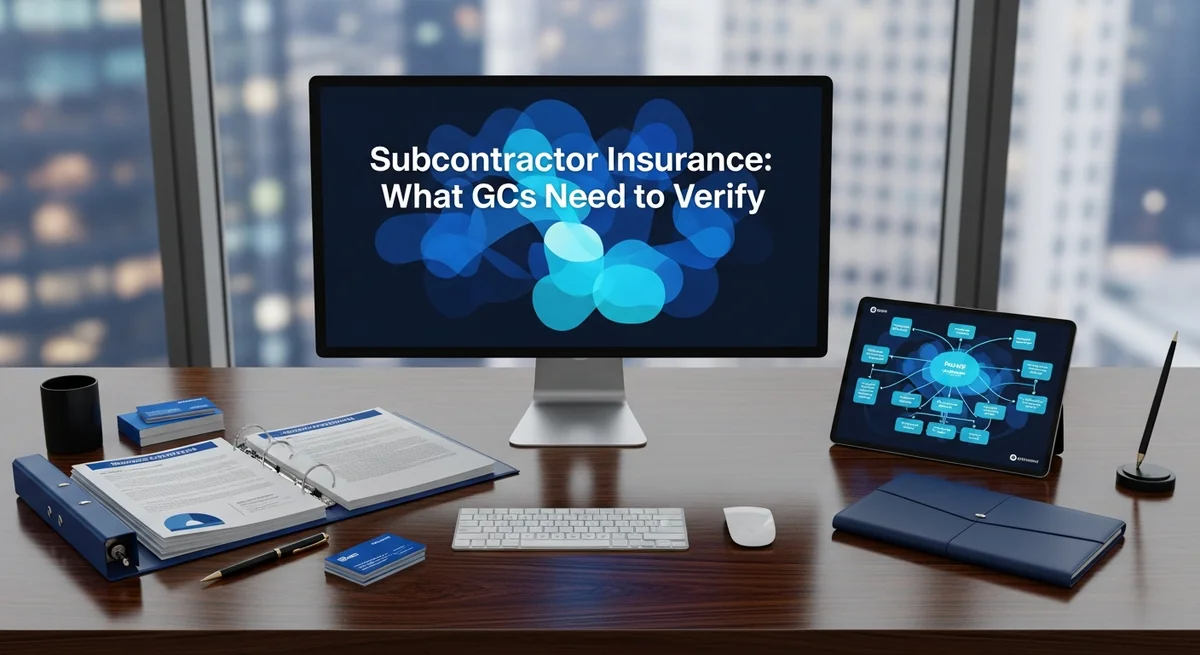
Subcontractor Insurance: What GCs Need to Verify
COI Fundamentals

Subcontractor Insurance: What GCs Need to Verify

As a general contractor, you face significant liability exposure when subcontractors work on your projects. Without proper insurance verification, you could be held responsible for accidents, property damage, or injuries caused by subs. This comprehensive guide covers everything about subcontractor insurance: what GCs need to verify to protect their business, reduce risk, and maintain compliance.

CoverLedger Editorial Team
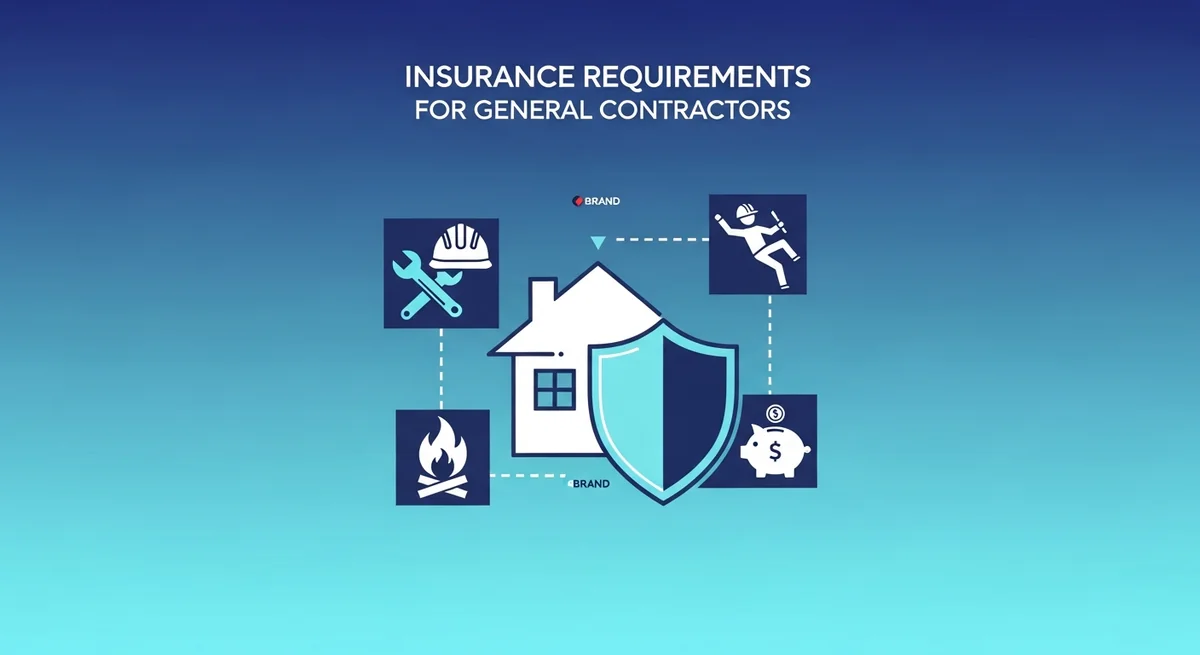
Insurance Requirements for General Contractors
COI Fundamentals

Insurance Requirements for General Contractors

General contractors face unique liability exposures that require comprehensive insurance coverage. Whether you're building residential homes, commercial properties, or managing multiple subcontractors, understanding insurance requirements for general contractors is essential to protect your business, comply with contracts, and avoid costly gaps in coverage.

CoverLedger Editorial Team
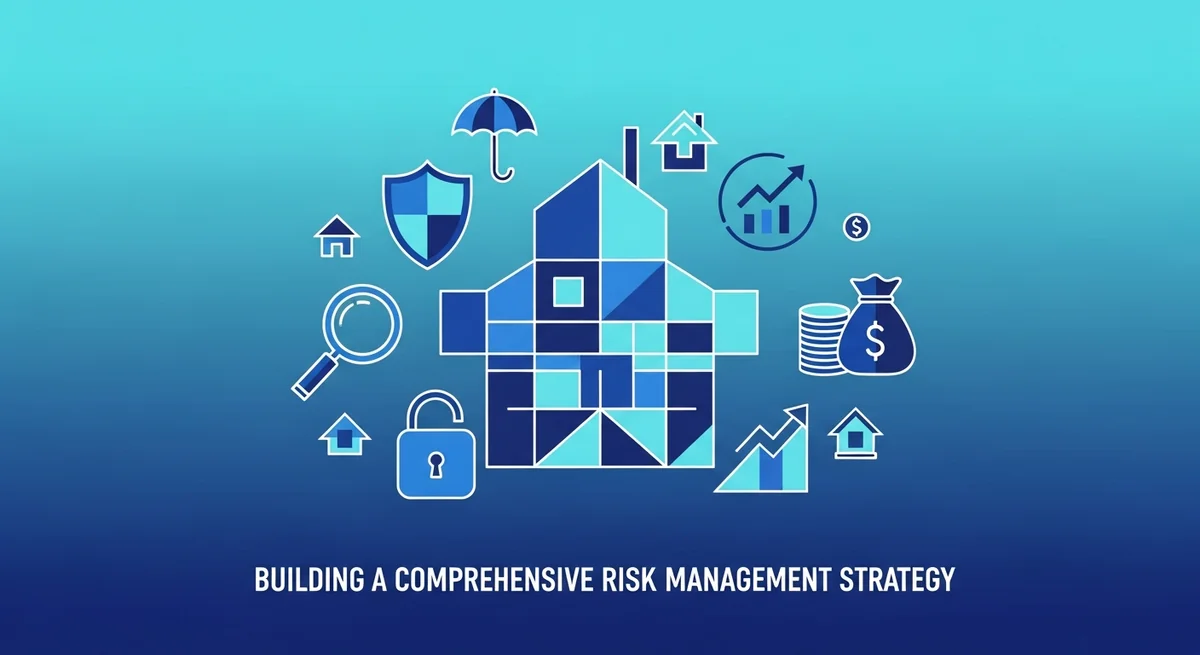
Building a Comprehensive Risk Management Strategy
COI Fundamentals

Building a Comprehensive Risk Management Strategy

Building a comprehensive risk management strategy protects your business from financial losses, operational disruptions, and legal liabilities. Whether you manage vendors, contractors, or complex supply chains, a structured approach to identifying, assessing, and mitigating risks is essential for long-term success. This guide walks you through every step of creating a risk management framework that safeguards your organization while supporting growth and compliance objectives.

CoverLedger Editorial Team
The Role of COI Tracking in Risk Mitigation
COI Fundamentals

The Role of COI Tracking in Risk Mitigation

Every business faces risk. Whether you're managing contractors, vendors, or third-party service providers, understanding the role of COI tracking in risk mitigation is essential for protecting your organization from financial loss, legal liability, and operational disruptions. Certificate of Insurance (COI) tracking serves as your first line of defense against uninsured exposures, ensuring that every party working with your business maintains adequate insurance coverage.

CoverLedger Editorial Team
Understanding Contractual Risk Transfer
COI Fundamentals

Understanding Contractual Risk Transfer

Every business relationship carries inherent risks. When you hire a contractor, lease a property, or partner with a vendor, you're potentially exposing your organization to liability claims, property damage, and financial losses. Understanding contractual risk transfer is essential for protecting your business from these exposures while maintaining productive partnerships.

CoverLedger Editorial Team
Risk Transfer vs Risk Retention Strategies
COI Fundamentals

Risk Transfer vs Risk Retention Strategies

Every business faces risks—from property damage and lawsuits to employee injuries and contract disputes. How you manage these risks directly impacts your financial stability and long-term success. Two fundamental approaches dominate risk management: risk transfer vs risk retention strategies. Understanding when to use each approach can save your business thousands of dollars and protect you from devastating losses.

CoverLedger Editorial Team
How to Identify Coverage Gaps
COI Fundamentals

How to Identify Coverage Gaps

Coverage gaps represent one of the most significant yet overlooked risks facing businesses today. These gaps—the spaces between what your insurance policies cover and what your actual exposure requires—can leave you financially vulnerable when claims arise. Whether you're managing vendor relationships, overseeing construction projects, or operating a multi-location business, learning how to identify coverage gaps is essential for protecting your organization from unexpected losses.

CoverLedger Editorial Team
The Connection Between COIs and Loss Prevention
COI Fundamentals

The Connection Between COIs and Loss Prevention

Certificates of Insurance (COIs) serve as more than administrative paperwork. They represent a critical frontline defense in your organization's loss prevention strategy. Understanding the connection between COIs and loss prevention helps businesses reduce financial exposure, minimize liability claims, and build stronger vendor relationships. This comprehensive guide reveals how proper COI management directly impacts your bottom line through effective risk mitigation.

CoverLedger Editorial Team
Understanding Third-Party Liability Exposure
COI Fundamentals

Understanding Third-Party Liability Exposure

Third-party liability exposure represents one of the most significant financial risks facing modern businesses. Whether you're hiring contractors, leasing property, or partnering with vendors, understanding third-party liability exposure is essential for protecting your organization from potentially devastating lawsuits and claims. This comprehensive guide walks you through everything you need to know about identifying, assessing, and managing third-party liability risks in your business operations.

CoverLedger Editorial Team
Page 1 of 9Next

Stay Ahead of Insurance Compliance

Discover how PolicyManagerHub automates certificate tracking, reduces risk, and keeps you compliant.

5.0K+
Active Users
500+
Companies
4.9
Average Rating
0.2K+
Reviews