Understanding Insurance Compliance Audits
Insurance compliance audits can feel intimidating, but they're essential checkpoints that protect your business from costly gaps in coverage. Whether you're preparing for your first audit or looking to improve your process, understanding insurance compliance audits will help you navigate these reviews with confidence and avoid the financial consequences of non-compliance.
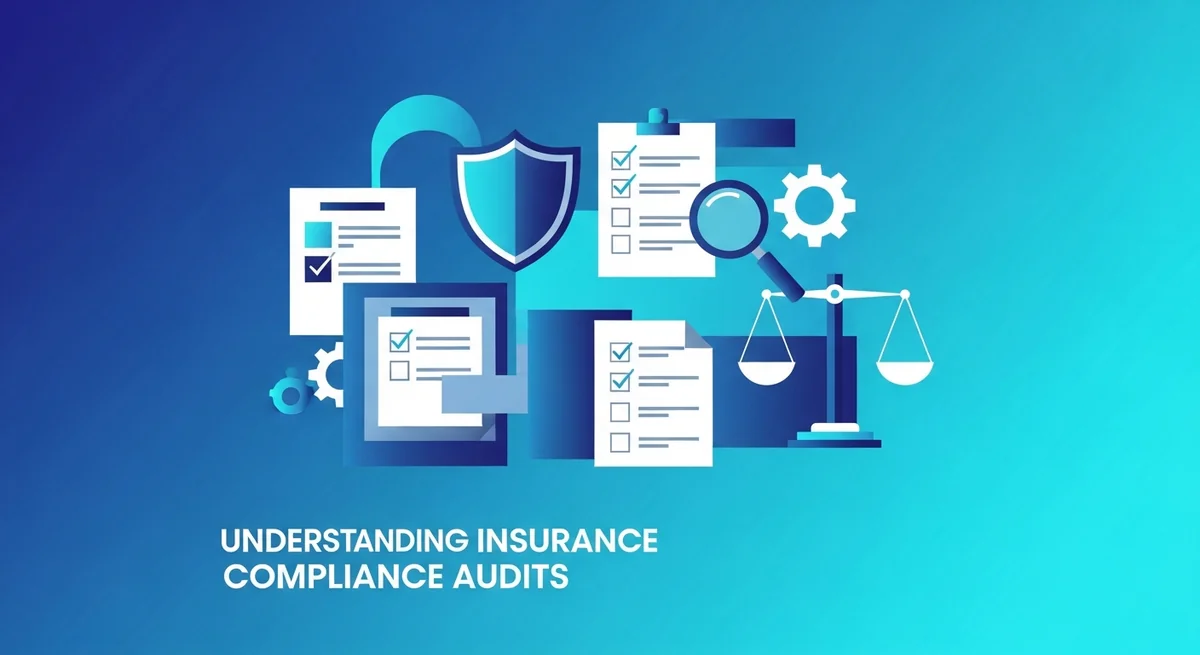
Insurance compliance audits can feel intimidating, but they're essential checkpoints that protect your business from costly gaps in coverage. Whether you're preparing for your first audit or looking to improve your process, understanding insurance compliance audits will help you navigate these reviews with confidence and avoid the financial consequences of non-compliance.
In this comprehensive guide, you'll learn what insurance compliance audits entail, how to prepare effectively, and the best practices that keep your organization audit-ready year-round. We'll also cover common mistakes that can derail your compliance efforts and provide actionable strategies to streamline the entire process.
What Is an Insurance Compliance Audit?
An insurance compliance audit is a systematic review of your organization's insurance documentation, policies, and procedures to verify that all vendors, contractors, and partners maintain required coverage levels. These audits assess whether certificates of insurance (COIs) are current, coverage limits meet contractual requirements, and proper endorsements like additional insured status are in place.
Audits can be conducted internally by your risk management team or externally by insurance carriers, regulatory bodies, or clients who require proof of vendor compliance. The frequency varies by industry and organization size, but most businesses conduct audits quarterly or annually to maintain continuous compliance.
The primary goal is risk mitigation. By verifying that third parties carry adequate insurance, you protect your business from liability exposure if an incident occurs. Audits also ensure you're meeting contractual obligations and industry regulations that mandate specific coverage requirements.
Why Insurance Compliance Audits Matter
The financial stakes of non-compliance are substantial. According to industry data, businesses face an average of $120,000 in liability costs when working with underinsured vendors. Beyond direct financial exposure, failed audits can result in contract termination, legal disputes, and reputational damage that impacts future business relationships.
Understanding insurance compliance audits helps you recognize these risks before they materialize. Regular audits identify coverage gaps early, giving you time to address deficiencies without disrupting operations. For organizations managing dozens or hundreds of vendor relationships, systematic auditing becomes essential to maintaining oversight. Our research at Insurance Compliance Cost Statistics shows that proactive compliance programs reduce incident-related costs by up to 70% compared to reactive approaches.
Compliance audits also support broader risk management objectives. They provide documentation for insurance renewals, demonstrate due diligence in legal proceedings, and create accountability among vendors who understand their coverage will be verified regularly.
Key Components of Insurance Compliance Audits
Certificate of Insurance Verification
The foundation of any insurance compliance audit is COI verification. Auditors examine certificates to confirm they're current, issued by licensed carriers, and contain accurate policy information. This includes verifying policy numbers, effective dates, expiration dates, and coverage limits against your organization's requirements.
Proper verification goes beyond accepting documents at face value. It involves checking that the certificate holder is correctly named, the description of operations matches the contracted work, and any special provisions are documented. Many organizations now use automated systems to streamline this process, as manual verification becomes unwieldy with large vendor portfolios.
Coverage Limits and Types Assessment
Auditors verify that each vendor carries the specific types of insurance your contracts require. Common coverage types include general liability, professional liability, workers compensation, commercial auto, and umbrella policies. Each coverage type has minimum limits that vendors must meet or exceed.
For example, a construction contractor might need $2 million in general liability coverage, $1 million in commercial auto, and workers compensation meeting state requirements. The audit confirms these limits are documented and that aggregate limits haven't been depleted by previous claims. Understanding insurance compliance audits means knowing which coverage types apply to different vendor categories and risk profiles.
Endorsement and Additional Insured Verification
Special endorsements often make the difference between adequate and inadequate coverage. Auditors check for additional insured status, which extends liability protection to your organization under the vendor's policy. They also verify waivers of subrogation, which prevent insurers from seeking recovery from your business after paying a claim.
Primary and non-contributory language is another critical endorsement that ensures the vendor's insurance pays first in the event of a claim. Without these endorsements properly documented, your organization may face unexpected liability even when vendors carry insurance. The relationship between these requirements and your contracts is detailed at The Relationship Between Cois And Contracts which explains how contractual language drives insurance specifications.
Expiration Date Tracking
Insurance policies expire, and audits identify which certificates are approaching renewal dates or have already lapsed. Effective compliance programs track expirations proactively, requesting renewal certificates 30-60 days before policies expire. This prevents coverage gaps that leave your organization exposed.
Auditors create reports showing the expiration status of all vendor policies, flagging immediate concerns and upcoming renewals. This tracking component of understanding insurance compliance audits is where many organizations struggle with manual processes, leading to missed expirations and compliance failures.
Step-by-Step Insurance Compliance Audit Process
Step 1: Define Audit Scope and Requirements
Begin by determining which vendors, contractors, or partners fall within the audit scope. Not all third parties require the same level of scrutiny. High-risk vendors who perform on-site work or have significant liability exposure warrant more frequent audits than low-risk service providers.
Document your insurance requirements for each vendor category. These requirements should align with your contracts, industry standards, and risk tolerance. Create a compliance matrix that specifies required coverage types, minimum limits, and necessary endorsements for different vendor classifications.
Step 2: Gather Current Documentation
Collect all certificates of insurance, policy declarations, and endorsement documents from your vendors. This step reveals how organized your documentation system is. If certificates are scattered across email inboxes, file cabinets, and individual project folders, consolidation becomes the first priority.
Create a centralized repository for all insurance documents. Many organizations transitioning from spreadsheets find that their documentation is incomplete or outdated. The guide at Replace Spreadsheet Coi Tracking provides strategies for migrating disorganized records into systematic tracking.
Step 3: Verify Certificate Authenticity
Examine each certificate for signs of authenticity. Legitimate ACORD forms have specific formatting, fonts, and field layouts. Contact insurance agents or carriers directly to confirm policy details if certificates appear suspicious or contain inconsistencies.
Check that the producer information includes a licensed agent or broker with valid contact details. Verify the insurance company is rated and admitted to do business in your state. Fraudulent certificates are more common than many realize, and understanding insurance compliance audits includes knowing how to spot red flags in documentation.
Step 4: Compare Requirements Against Coverage
Match each vendor's actual coverage against your requirements matrix. Create a compliance scorecard that identifies gaps, deficiencies, or areas where coverage exceeds minimums. This comparison should cover coverage types, policy limits, deductibles, and all required endorsements.
Pay special attention to aggregate limits versus per-occurrence limits. A vendor might have adequate per-occurrence coverage but depleted aggregates from previous claims. Document any discrepancies for follow-up with vendors or their insurance representatives.
Step 5: Identify and Prioritize Deficiencies
Categorize compliance issues by severity and urgency. Critical deficiencies include expired policies, missing additional insured endorsements, or coverage limits significantly below requirements. These demand immediate attention and may require suspending vendor activities until resolved.
Moderate issues might include policies expiring within 30 days or minor coverage limit shortfalls. Low-priority items could be formatting inconsistencies or missing secondary coverage types that don't directly impact liability exposure. Prioritization helps you allocate resources effectively during the remediation phase.
Step 6: Communicate Findings and Remediation Requirements
Contact vendors with compliance deficiencies promptly. Provide clear, specific information about what's missing or inadequate. Include deadlines for submitting corrected documentation and explain the consequences of non-compliance, which may include work stoppages or contract termination.
Use templates for compliance notifications to ensure consistency and completeness. Good communication during audits maintains positive vendor relationships while enforcing necessary standards. Many organizations find that understanding insurance compliance audits improves when they establish clear, professional communication protocols.
Step 7: Track Remediation and Re-Verify
Monitor vendor responses to compliance notifications. As updated certificates arrive, re-verify them against requirements to confirm deficiencies are resolved. Document all communications, submitted documents, and compliance status changes in your tracking system.
Follow up with non-responsive vendors through escalating communication channels. If vendors fail to achieve compliance within specified timeframes, implement consequences outlined in your contracts. This enforcement demonstrates that your audit process has real accountability.
Step 8: Generate Audit Reports and Documentation
Create comprehensive reports documenting audit findings, compliance rates, common deficiencies, and remediation outcomes. These reports serve multiple purposes: they provide accountability for your compliance program, identify systemic issues requiring policy changes, and create records for legal or regulatory purposes.
Include metrics like overall compliance rate, average time to remediation, and vendor compliance trends over time. Share reports with relevant stakeholders including executive leadership, legal counsel, and department managers who work with vendors. Proper documentation practices are covered in detail at Insurance Compliance Documentation Best Practices for organizations building systematic records.
Best Practices for Insurance Compliance Audits
Establish Clear Compliance Policies
Document your insurance requirements in writing and communicate them clearly to all vendors before engagement begins. Your compliance policy should specify required coverage types, minimum limits, necessary endorsements, and the consequences of non-compliance. Make this policy part of your vendor onboarding process.
Include insurance requirements in all vendor contracts with specific language that allows you to verify coverage and suspend work if insurance lapses. The more explicit your policies, the easier audits become because expectations are established upfront. Resources for developing these policies can be found at How To Create An Insurance Compliance Policy which provides templates and implementation guidance.
Implement Continuous Monitoring
Rather than conducting audits annually or quarterly, implement continuous compliance monitoring. This approach tracks certificates in real-time, alerting you immediately when policies expire or vendors fall out of compliance. Continuous monitoring transforms understanding insurance compliance audits from a periodic event into an ongoing process.
Automated systems can monitor expiration dates, send renewal reminders to vendors, and flag compliance issues without manual intervention. This proactive approach prevents gaps rather than discovering them during retrospective audits. The time and cost savings are substantial, particularly for organizations managing hundreds of vendor relationships.
Automate Where Possible
Manual audit processes become unsustainable as vendor portfolios grow. Automation tools can extract data from certificates using OCR and AI technology, compare coverage against requirements, track expirations, and generate compliance reports. This reduces human error and frees your team to focus on high-value activities like vendor communication and risk assessment.
Modern platforms integrate with contract management systems, vendor databases, and communication tools to create seamless workflows. They provide dashboards showing real-time compliance status across your entire vendor network. Organizations transitioning to automation typically see 60-80% time savings in audit processes.
Train Staff on Compliance Requirements
Ensure everyone involved in vendor management understands insurance compliance requirements. This includes procurement staff, project managers, facilities teams, and anyone who engages third parties. Training should cover how to read certificates, identify common deficiencies, and follow your organization's compliance procedures.
Create quick reference guides that staff can consult when reviewing certificates or communicating with vendors. Regular training updates keep teams informed about policy changes, new requirements, or lessons learned from past compliance issues. Well-trained staff become your first line of defense against compliance gaps.
Maintain Organized Documentation Systems
Centralize all insurance documentation in a single, searchable system. Organize files by vendor, policy type, and date for easy retrieval during audits or in the event of claims. Include not just current certificates but historical documents that show compliance over time.
Implement version control so you can track when certificates were received, who reviewed them, and what actions were taken. Good documentation practices protect your organization legally by demonstrating due diligence. They also make audits faster and less stressful because information is readily accessible.
Build Strong Vendor Relationships
Approach compliance as a partnership rather than policing. Help vendors understand why insurance requirements matter and how proper coverage protects both parties. Provide clear instructions for submitting certificates and respond promptly when vendors have questions.
Vendors who understand your requirements and feel supported are more likely to maintain compliance proactively. Consider offering resources like sample certificates or connections to insurance brokers who understand your industry. This collaborative approach reduces friction during audits and improves overall compliance rates.
Conduct Regular Risk Assessments
Periodically review your insurance requirements to ensure they align with current risk exposures. As your business evolves, so should your compliance standards. Some vendors may need higher limits as project scopes expand, while others might require additional coverage types for new activities.
Risk assessments also identify whether your audit frequency is appropriate. High-risk vendors might warrant monthly compliance checks, while low-risk relationships could be reviewed annually. Tailoring your audit approach based on risk creates efficiency without compromising protection. Understanding insurance compliance audits means recognizing that one-size-fits-all approaches often waste resources or leave gaps.
Common Mistakes in Insurance Compliance Audits
Accepting Certificates Without Verification
One of the most dangerous mistakes is accepting certificates at face value without verifying their accuracy or authenticity. Fraudulent certificates exist, and even legitimate certificates can contain errors that invalidate coverage. Always verify policy details with insurance carriers or agents, especially for high-risk vendors or large contracts.
Check that the certificate holder name matches your organization exactly as it appears in contracts. Verify that coverage dates span the entire contract period and that policy numbers are valid. These verification steps take extra time but prevent costly surprises when claims occur.
Overlooking Endorsements and Special Provisions
Many auditors focus solely on coverage types and limits while missing critical endorsements. Additional insured status, waivers of subrogation, and primary and non-contributory language significantly impact your protection. A certificate showing adequate limits is worthless if these endorsements are missing.
Review the description of operations and remarks sections carefully. These areas should document required endorsements explicitly. If endorsements are noted as "available upon request" rather than confirmed, request actual endorsement documents to verify they're in place. Understanding insurance compliance audits includes knowing that certificates alone don't guarantee coverage—endorsements must be verified separately.
Failing to Track Expiration Dates Proactively
Discovering expired certificates during annual audits means your organization operated without proper coverage for months. Implement systems that alert you 60, 30, and 15 days before policies expire. Send automatic renewal reminders to vendors and follow up if updated certificates aren't received.
Create consequences for vendors who allow coverage to lapse, such as suspending work or withholding payment until compliance is restored. Proactive tracking transforms expiration management from a reactive problem into a preventable issue. The statistics at Certificate Expiration Statistics show that organizations with automated tracking reduce coverage gaps by over 90%.
Using Inconsistent Requirements Across Vendors
When different departments or managers set their own insurance requirements, inconsistencies create confusion and compliance gaps. Establish standardized requirements based on vendor risk categories. A plumber, electrician, and landscaper performing similar work should have comparable insurance requirements unless specific circumstances justify differences.
Document your requirements in a master policy and train all staff to apply them consistently. This standardization makes audits more efficient because you're not trying to verify dozens of unique requirement sets. It also creates fairness and transparency with vendors who understand what's expected.
Neglecting to Document Audit Findings
Conducting audits without documenting findings, communications, and remediation actions leaves you vulnerable in legal proceedings. If an incident occurs and you're asked to prove due diligence, comprehensive audit records become critical evidence that you took reasonable steps to verify coverage.
Maintain detailed records of when certificates were received and reviewed, who conducted the review, what deficiencies were identified, how vendors were notified, and when issues were resolved. These records should be retained for the duration of vendor relationships plus several years afterward to cover potential claims that arise after work is completed.
Relying Solely on Manual Processes
Spreadsheets and email-based tracking become unmanageable as vendor counts grow. Manual processes are prone to human error, missed expirations, and lost documents. They also consume excessive staff time that could be directed toward higher-value risk management activities.
Understanding insurance compliance audits in modern organizations means recognizing when manual methods no longer serve your needs. Warning signs include spending more than 10 hours weekly on certificate management, regularly discovering expired certificates, or struggling to produce compliance reports quickly. Organizations facing these challenges should explore automated solutions that scale with growth.
Ignoring Aggregate Limits
A vendor might carry $2 million in general liability coverage, but if they've already paid $1.8 million in claims this year, only $200,000 remains in their aggregate. Audits should verify both per-occurrence and aggregate limits, requesting updated information if aggregates are significantly depleted.
This issue is particularly important for vendors working on multiple projects simultaneously. Their aggregate limit covers all projects combined, not each project separately. If a vendor's aggregate is exhausted, they effectively have no coverage even though their policy hasn't expired.
Key Takeaways
- Insurance compliance audits systematically verify that vendors maintain required coverage levels, protecting your organization from liability exposure and contractual breaches
- Effective audits examine certificate authenticity, coverage types and limits, endorsements, and expiration dates against documented requirements
- The audit process includes defining scope, gathering documentation, verifying authenticity, comparing requirements, identifying deficiencies, communicating findings, tracking remediation, and generating reports
- Best practices include establishing clear policies, implementing continuous monitoring, automating processes, training staff, maintaining organized documentation, and conducting regular risk assessments
- Common mistakes include accepting unverified certificates, overlooking endorsements, failing to track expirations proactively, using inconsistent requirements, neglecting documentation, and relying on manual processes
- Proactive compliance programs reduce incident-related costs by up to 70% compared to reactive approaches
- Automation tools can reduce audit processing time by 60-80% while improving accuracy and coverage gap detection
- Understanding insurance compliance audits transforms them from intimidating events into systematic processes that strengthen vendor relationships and organizational risk management
Related Resources
- Building an Insurance Compliance Program — Learn how to establish a comprehensive compliance framework that supports effective auditing and risk management. Building An Insurance Compliance Program
- Insurance Compliance Roles and Responsibilities — Understand who should be involved in your audit process and what each team member's responsibilities should include. Insurance Compliance Roles And Responsibilities
- Annual Insurance Compliance Audit Checklist — Download a comprehensive checklist that guides you through every step of the audit process with nothing overlooked. Annual Insurance Compliance Audit Checklist
- The Cost of Non-Compliance: Real-World Examples — See actual case studies showing the financial and operational consequences of failed compliance audits. The Cost Of Non Compliance Real World Examples
- Manual vs Automated COI Tracking: Complete Comparison Guide — Compare the costs, benefits, and scalability of manual audit processes versus automated solutions. Manual Vs Automated Coi Tracking
Frequently Asked Questions
How often should insurance compliance audits be conducted?
Most organizations conduct comprehensive insurance compliance audits quarterly or annually, but the ideal frequency depends on your vendor count and risk exposure. High-risk vendors or those performing ongoing work should be monitored continuously with automated systems that track expiration dates in real-time. Low-risk vendors with annual contracts may only require annual audits. Organizations with 50+ active vendors typically benefit from quarterly audits to catch issues before they become critical. Continuous monitoring systems provide the best protection by alerting you immediately when certificates expire or vendors fall out of compliance, eliminating the gaps that occur between periodic audits.
What should I do if a vendor refuses to provide required insurance?
If a vendor refuses to provide required insurance, do not allow them to begin or continue work. First, clearly explain why the coverage is necessary and how it protects both parties. Some vendors resist because they don't understand the requirements or believe their existing coverage is sufficient. Provide specific details about what's needed and consider connecting them with insurance brokers who can help. If the vendor still refuses, you must enforce your contract terms, which typically prohibit work without proper insurance. Document all communications regarding the refusal. Consider whether you can adjust requirements if they're truly unreasonable for the vendor's scope of work, but never compromise on essential coverage that protects your organization from significant liability.
Can I conduct insurance compliance audits internally or do I need external auditors?
Most organizations conduct insurance compliance audits internally using risk management, procurement, or legal teams. Internal audits are typically sufficient and more cost-effective than hiring external auditors. However, external auditors may be valuable for initial program setup, periodic independent verification, or when you lack internal expertise. Insurance carriers sometimes conduct their own audits as part of underwriting or renewal processes. The key to successful internal audits is having clear procedures, trained staff, and proper tools whether manual or automated. For organizations just starting compliance programs, consulting with insurance professionals or risk management advisors can help establish effective audit procedures that your team can then execute independently.
What happens if I discover a vendor was uninsured after an incident occurs?
Discovering a vendor was uninsured after an incident creates significant liability exposure for your organization. You may be held responsible for damages, injuries, or losses that should have been covered by the vendor's insurance. This situation often results in costly litigation, insurance claims against your policies, and increased premiums. Your ability to recover costs from the vendor depends on their financial resources and your contract language. This is why understanding insurance compliance audits and maintaining rigorous verification processes is so critical. Document everything about the incident and immediately consult with your insurance carrier and legal counsel. They'll guide you through claims processes and potential recovery actions. This scenario underscores why accepting certificates without verification is so dangerous—the moment you need the coverage is when you discover it doesn't exist.
How long should I retain insurance compliance audit documentation?
Retain insurance compliance audit documentation for at least seven years after vendor relationships end, though longer retention is often advisable. Claims can emerge years after work is completed, particularly for construction defects, environmental issues, or latent injuries. Your documentation proves you exercised due diligence in verifying coverage when work was performed. Keep certificates, audit reports, compliance communications, and remediation records in organized, accessible formats. Many organizations implement electronic document management systems that make long-term retention practical and searchable. Consult with your legal counsel about specific retention requirements in your industry and jurisdiction, as some sectors have regulatory requirements for insurance documentation retention. The minimal cost of storing documents is insignificant compared to the value they provide if you ever need to defend against liability claims.
Conclusion
Understanding insurance compliance audits empowers you to protect your organization from the significant financial and legal risks of working with underinsured vendors. By implementing the systematic audit processes, best practices, and documentation standards outlined in this guide, you transform compliance from a reactive burden into a proactive risk management strength.
The investment in proper compliance auditing—whether through staff training, process improvement, or automation—pays dividends through reduced liability exposure, stronger vendor relationships, and the peace of mind that comes from knowing your organization is protected. Start by assessing your current audit practices against the standards described here, identify gaps, and implement improvements incrementally.
Automate your insurance compliance audits in minutes with PolicyManagerHub. Start your free trial today and see how continuous monitoring, automated verification, and intelligent alerts keep your organization protected without the manual burden.
CoverLedger Editorial Team
Expert insights on insurance compliance, COI tracking, and risk management from the CoverLedger team.
Related Articles

Construction Project Insurance Coverage Layers
Construction projects involve significant financial risk, complex liability exposures, and multiple parties working simultaneously. Understanding construction project insurance coverage layers is essential for protecting your business from catastrophic losses. This comprehensive guide explains how insurance layers work, why they matter, and how to structure adequate protection for projects of any size.
Subcontractor Insurance: What GCs Need to Verify
As a general contractor, you face significant liability exposure when subcontractors work on your projects. Without proper insurance verification, you could be held responsible for accidents, property damage, or injuries caused by subs. This comprehensive guide covers everything about subcontractor insurance: what GCs need to verify to protect their business, reduce risk, and maintain compliance.
Insurance Requirements for General Contractors
General contractors face unique liability exposures that require comprehensive insurance coverage. Whether you're building residential homes, commercial properties, or managing multiple subcontractors, understanding insurance requirements for general contractors is essential to protect your business, comply with contracts, and avoid costly gaps in coverage.