Best COI Tracking Software Under $100/Month (2026 Comparison)
Finding affordable COI tracking software under $100/month doesn't mean sacrificing essential features. Small businesses, independent contractors, and property managers need reliable certificate of insurance management without breaking the budget. This comprehensive comparison examines the best COI tracking software under $100/month available in 2026, helping you choose the right solution for your compliance needs.

Best COI Tracking Software Under $100/Month (2026 Comparison)
Finding affordable COI tracking software under $100/month doesn't mean sacrificing essential features. Small businesses, independent contractors, and property managers need reliable certificate of insurance management without breaking the budget. This comprehensive comparison examines the best COI tracking software under $100/month available in 2026, helping you choose the right solution for your compliance needs.
In this guide, you'll discover which budget-friendly platforms offer automated tracking, expiration alerts, and vendor management capabilities. We'll compare pricing structures, feature sets, and real-world use cases to help you make an informed decision. Whether you're managing 10 vendors or 100, the right COI tracking software under $100/month can save hours of manual work while ensuring compliance.
Why Budget-Friendly COI Tracking Software Matters
Manual certificate tracking costs businesses an average of 2-4 hours per week in administrative time. For small businesses paying employees $25-50 per hour, that translates to $200-800 monthly in labor costs alone. The right COI tracking software under $100/month delivers immediate ROI by automating these repetitive tasks.
Beyond time savings, affordable COI tracking software reduces compliance risks. A single uninsured vendor incident can cost thousands in legal fees and liability exposure. For a detailed breakdown of potential costs, see our analysis at The Cost Of Non Compliance Real World Examples which documents real cases where inadequate certificate tracking led to significant financial losses.
Small businesses and growing companies benefit most from budget-friendly solutions. These platforms provide enterprise-level features like automated email reminders, digital certificate storage, and compliance reporting without requiring multi-year contracts or large upfront investments.
PolicyManagerHub: Comprehensive COI Tracking Under $100
PolicyManagerHub offers full-featured COI tracking software starting at $49/month for small businesses managing up to 50 vendors. The platform includes AI-powered ACORD 25 parsing, automated expiration tracking, and unlimited certificate storage. For businesses with 51-200 vendors, pricing scales to $89/month, remaining well within the $100 monthly budget.
Key features include automated email collection workflows, customizable compliance requirements, and real-time dashboard reporting. The AI parsing technology extracts data from certificates in seconds, eliminating manual data entry. Users can set up automated reminder sequences that contact vendors 60, 30, and 15 days before certificate expiration.
PolicyManagerHub excels in user experience with an intuitive interface requiring minimal training. The vendor portal allows contractors and suppliers to upload certificates directly, reducing back-and-forth communication. Integration capabilities include API access for connecting with existing property management or contractor management systems.
The platform supports unlimited users at all pricing tiers, making it ideal for teams collaborating on compliance management. Custom branding options allow businesses to white-label the vendor portal with their logo and colors. Mobile access ensures certificate verification from job sites or during property inspections.
Best Use Cases for PolicyManagerHub
- Property management companies tracking 20-150 vendors across multiple properties
- General contractors managing subcontractor insurance compliance on construction projects
- Facilities managers coordinating vendor access and insurance verification
- Small businesses requiring professional compliance tracking without enterprise pricing
- Organizations needing detailed audit trails and compliance reporting
Alternative Budget-Friendly COI Tracking Options
Several other platforms offer COI tracking software under $100/month with varying feature sets. These alternatives cater to different business sizes and compliance complexity levels. Understanding what each platform prioritizes helps match your specific requirements.
Basic COI tracking platforms typically start at $29-59/month with limited vendor counts and manual certificate parsing. Mid-tier solutions at $79-99/month often include automated parsing but may charge per-user fees or limit storage capacity. For businesses comparing different options, our guide at Mycoi Alternatives Small Business Affordable Coi Tracking Software provides detailed analysis of various platforms.
Spreadsheet-Based Tracking
Excel or Google Sheets templates offer zero-cost certificate tracking but require significant manual effort. Users must manually enter certificate data, track expiration dates, and send reminder emails. While technically under $100/month, the hidden labor costs often exceed affordable software subscriptions within weeks.
Spreadsheet tracking works for businesses managing fewer than 10 vendors with simple insurance requirements. However, as vendor counts grow, error rates increase and compliance gaps emerge. Our free template at Free Coi Tracking Spreadsheet Template demonstrates both the utility and limitations of this approach.
Entry-Level SaaS Platforms
Several entry-level COI tracking platforms price between $39-79/month for small business plans. These typically include basic features like certificate storage, manual expiration tracking, and email reminders. Most lack AI parsing, requiring users to manually input certificate details.
Entry-level platforms suit businesses with straightforward compliance needs and limited vendor turnover. They work well for organizations where one person manages certificates part-time. However, businesses experiencing growth often outgrow these platforms within 6-12 months.
Side-by-Side Feature Comparison
Comparing COI tracking software under $100/month requires examining both included features and hidden limitations. The following breakdown highlights key differences that impact daily usability and long-term value.
Automation Capabilities
- PolicyManagerHub: AI-powered certificate parsing, automated email sequences, vendor portal auto-upload, scheduled compliance reports
- Entry-Level Platforms: Manual certificate entry, basic email reminders, limited automation workflows
- Spreadsheet Tracking: No automation, manual reminder tracking, user-created email templates
Vendor Management
- PolicyManagerHub: Dedicated vendor portal, unlimited vendor profiles, custom compliance requirements per vendor, vendor communication history
- Entry-Level Platforms: Basic vendor database, limited vendor count (typically 25-50), standard compliance templates
- Spreadsheet Tracking: Manual vendor lists, no centralized communication, separate file management
Compliance Verification
- PolicyManagerHub: Automated compliance checking, coverage gap identification, additional insured verification, waiver of subrogation tracking
- Entry-Level Platforms: Manual compliance review, basic coverage limit checks, limited requirement templates
- Spreadsheet Tracking: Entirely manual verification, user-created checklists, no automated validation
Reporting and Analytics
- PolicyManagerHub: Real-time compliance dashboards, expiration forecasting, vendor compliance scoring, exportable audit reports
- Entry-Level Platforms: Basic expiration lists, simple status reports, limited export options
- Spreadsheet Tracking: Manual report creation, pivot tables for analysis, no visual dashboards
User Experience and Support
- PolicyManagerHub: Intuitive interface, unlimited users, mobile app, live chat support, onboarding assistance
- Entry-Level Platforms: Basic interface, per-user pricing (often 1-3 users), email support only
- Spreadsheet Tracking: Requires Excel/Sheets knowledge, no dedicated support, self-maintained system
Pros and Cons of Each Approach
Every COI tracking solution under $100/month involves trade-offs between features, ease of use, and total cost of ownership. Understanding these advantages and limitations helps align your choice with business priorities and growth trajectory.
PolicyManagerHub Advantages
- Complete automation eliminates 90% of manual certificate processing work
- AI parsing accuracy exceeds 98%, reducing data entry errors
- Unlimited users enable team collaboration without additional fees
- Vendor portal reduces administrative burden by shifting upload responsibility
- Scalable pricing accommodates business growth without platform migration
- Comprehensive audit trails satisfy insurance carrier and legal requirements
- Mobile access enables field verification and on-site compliance checking
PolicyManagerHub Limitations
- Higher entry price ($49/month) compared to basic alternatives
- Feature-rich interface may feel overwhelming for very simple use cases
- Requires initial setup time to configure compliance requirements and workflows
- Monthly subscription commitment (though no long-term contracts required)
Entry-Level Platform Advantages
- Lower starting prices ($29-59/month) for very small vendor counts
- Simple interfaces require minimal training
- Quick setup process, often under 30 minutes
- Sufficient for businesses with stable, small vendor bases
Entry-Level Platform Limitations
- Manual data entry consumes 3-5 minutes per certificate
- Limited vendor capacity requires platform upgrades as business grows
- Per-user fees increase total cost for team environments
- Basic reporting lacks detailed compliance analytics
- Email-only support delays problem resolution
- Limited integration capabilities with other business systems
Spreadsheet Tracking Advantages
- Zero subscription costs for software-averse organizations
- Complete customization control over fields and formatting
- Familiar interface for users comfortable with Excel or Google Sheets
- Works offline without internet connectivity
Spreadsheet Tracking Limitations
- High error rates from manual data entry and formula mistakes
- Time-consuming manual processes consume 2-4 hours weekly
- No automated reminders lead to missed expirations
- Difficult to maintain with multiple users accessing simultaneously
- Certificate files stored separately create version control issues
- Limited scalability as vendor counts exceed 25-30
- No audit trail for compliance verification purposes
Which COI Tracking Software Should You Choose?
Selecting the right COI tracking software under $100/month depends on your vendor count, compliance complexity, and growth plans. The following decision framework helps match your specific situation with the most appropriate solution.
Choose PolicyManagerHub If You:
- Manage 20+ vendors with regular certificate turnover
- Need team collaboration with multiple users accessing the system
- Want to eliminate manual data entry through AI automation
- Require detailed compliance reporting for audits or insurance renewals
- Plan to grow your vendor base over the next 12-24 months
- Value time savings and risk reduction over minimal cost savings
Example scenario: A property management company with 45 vendors spends 3 hours weekly chasing expired certificates. At $40/hour labor cost, that's $480 monthly. PolicyManagerHub at $49/month saves $431 monthly while reducing compliance risk. The ROI calculation at Coi Tracking Roi Manual Vs Automated demonstrates these savings across different business sizes.
Choose Entry-Level Platforms If You:
- Work with fewer than 15 stable, long-term vendors
- Have simple compliance requirements without complex endorsements
- Can dedicate 1-2 hours weekly to manual certificate management
- Operate as a solo business owner without team collaboration needs
- Prioritize absolute lowest cost over automation features
Example scenario: An independent contractor working with 8 regular subcontractors on residential projects. Certificates rarely change, and manual tracking requires only 45 minutes monthly. An entry-level platform at $39/month provides sufficient organization without unused features.
Choose Spreadsheet Tracking If You:
- Manage fewer than 5 vendors with annual certificate renewals
- Have strong Excel skills and enjoy customizing tracking systems
- Face budget constraints preventing any software subscription
- Plan to upgrade to software within 3-6 months as business grows
Example scenario: A startup with 3 vendors and tight cash flow. The business owner manually checks certificates quarterly and maintains renewal dates in a spreadsheet. This works temporarily but becomes unsustainable as the vendor list grows beyond 10.
Industry-Specific Considerations
Different industries face unique certificate tracking challenges that influence software selection. Construction companies need detailed subcontractor compliance tracking with project-specific requirements. Property managers require tenant and vendor insurance verification across multiple locations. Event venues must track temporary vendor certificates for short-term engagements.
Businesses in high-risk industries benefit most from comprehensive platforms. The potential liability exposure justifies investing in robust COI tracking software under $100/month rather than risking compliance gaps. For construction-specific guidance, see our detailed analysis at Construction Insurance Compliance Guide which covers contractor requirements and best practices.
Related Resources
- Best COI Tracking Software for Small Agencies — Comprehensive comparison of platforms designed specifically for insurance agencies and small businesses managing client certificates. Best Coi Tracking Software Small Agencies
- How to Automate COI Tracking — Step-by-step guide to implementing automated certificate tracking, including workflow setup and vendor onboarding strategies. How To Automate Coi Tracking
- COI Tracking Software: Top 5 Platforms Compared — Detailed feature comparison of leading certificate management platforms across all price ranges. Coi Tracking Software Comparison
- Manual vs Automated COI Tracking: Complete Comparison Guide — Analysis of time savings, cost differences, and compliance improvements between manual and automated approaches. Manual Vs Automated Coi Tracking
- Complete Guide to Certificate of Insurance Tracking — Comprehensive resource covering COI fundamentals, compliance requirements, and tracking best practices. Complete Guide Coi Tracking
Frequently Asked Questions
What features should COI tracking software under $100/month include?
Essential features include automated expiration tracking, email reminder systems, digital certificate storage, and basic compliance verification. Quality platforms under $100/month should offer unlimited certificate storage, vendor portals for direct uploads, and mobile access. Advanced features like AI parsing and custom compliance templates significantly improve efficiency. Look for platforms providing at least 50 vendor profiles, multiple user accounts, and exportable reports. The best value comes from solutions offering enterprise features at small business prices without per-user fees or hidden charges.
How much time does COI tracking software actually save?
Businesses typically save 2-4 hours weekly by automating certificate tracking. Manual processes require 5-10 minutes per certificate for data entry, filing, and expiration tracking. With 20 vendors, that's 100-200 minutes monthly just for basic management. Automated platforms reduce this to 10-15 minutes total through AI parsing and automatic reminders. Additional time savings come from eliminating vendor follow-up calls and manual compliance checking. Over a year, automation saves 100-200 hours of administrative work, translating to $2,500-10,000 in labor cost savings depending on hourly rates.
Can I switch COI tracking software if my business outgrows the platform?
Yes, most COI tracking software under $100/month operates on month-to-month subscriptions without long-term contracts. Switching platforms typically takes 2-4 hours to export existing data and upload to the new system. Choose platforms offering data export capabilities in standard formats like CSV or Excel. PolicyManagerHub and similar solutions provide migration assistance to minimize transition disruption. Consider scalability when initially selecting software to avoid unnecessary platform changes. Look for tiered pricing that grows with your business rather than requiring complete platform switches as vendor counts increase.
What's the ROI timeline for investing in COI tracking software?
Most businesses achieve positive ROI within the first month of using COI tracking software. The average small business spends $200-800 monthly on manual certificate management labor. A $49-89 monthly software investment saves $150-700 monthly, creating immediate positive returns. Beyond direct time savings, avoided compliance violations provide additional value. A single uninsured vendor incident can cost $5,000-50,000 in legal fees and liability exposure. The risk reduction alone justifies the software investment. Calculate your specific ROI by multiplying weekly tracking hours by hourly labor cost, then subtracting the monthly software fee.
Do I need technical expertise to use COI tracking software?
No technical expertise is required for modern COI tracking software under $100/month. Most platforms feature intuitive interfaces similar to email or basic web applications. Initial setup takes 30-60 minutes to configure compliance requirements and upload existing certificates. Users need only basic computer skills like sending emails and uploading files. Vendor portals simplify the process further by allowing contractors to upload their own certificates directly. Quality platforms provide onboarding support, tutorial videos, and responsive customer service. Team members typically become proficient within 1-2 hours of use. The learning curve is minimal compared to spreadsheet-based tracking.
Conclusion: Making the Right Choice for Your Business
Selecting the best COI tracking software under $100/month requires balancing features, usability, and long-term scalability. PolicyManagerHub delivers the most comprehensive solution with AI automation, unlimited users, and enterprise features at small business pricing. Entry-level platforms work for very small vendor counts but often require upgrades as businesses grow. Spreadsheet tracking remains viable only for the smallest operations with minimal compliance needs.
The right choice depends on your current vendor count, growth trajectory, and team size. Businesses managing 20+ vendors gain immediate ROI from automated platforms through time savings and risk reduction. Smaller operations may start with basic solutions but should plan for eventual upgrades. Consider not just today's needs but where your business will be in 12-24 months.
Investing in proper COI tracking software under $100/month protects your business from compliance gaps while freeing valuable time for revenue-generating activities. The cost of non-compliance far exceeds any software investment. Start your free trial of PolicyManagerHub today to experience automated certificate tracking and see how much time your business can save.
CoverLedger Editorial Team
Expert insights on insurance compliance, COI tracking, and risk management from the CoverLedger team.
Related Articles

Construction Project Insurance Coverage Layers
Construction projects involve significant financial risk, complex liability exposures, and multiple parties working simultaneously. Understanding construction project insurance coverage layers is essential for protecting your business from catastrophic losses. This comprehensive guide explains how insurance layers work, why they matter, and how to structure adequate protection for projects of any size.

Subcontractor Insurance: What GCs Need to Verify
As a general contractor, you face significant liability exposure when subcontractors work on your projects. Without proper insurance verification, you could be held responsible for accidents, property damage, or injuries caused by subs. This comprehensive guide covers everything about subcontractor insurance: what GCs need to verify to protect their business, reduce risk, and maintain compliance.
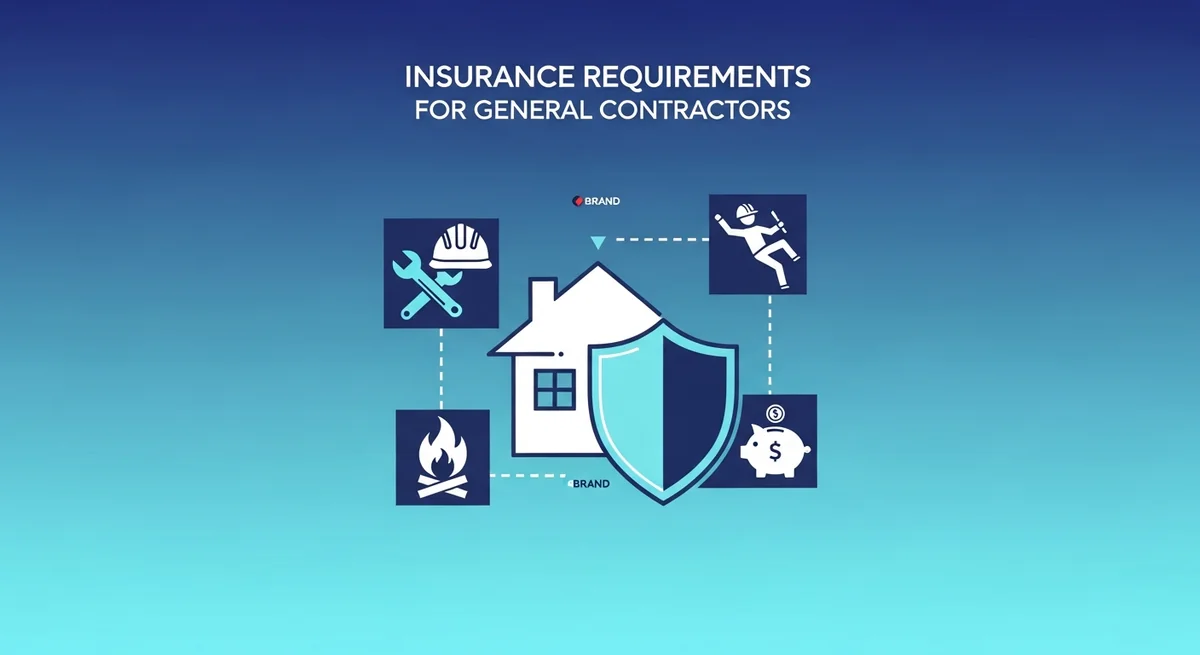
Insurance Requirements for General Contractors
General contractors face unique liability exposures that require comprehensive insurance coverage. Whether you're building residential homes, commercial properties, or managing multiple subcontractors, understanding insurance requirements for general contractors is essential to protect your business, comply with contracts, and avoid costly gaps in coverage.