How to Automate COI Tracking in 2026
Managing certificates of insurance (COIs) manually is becoming obsolete as we move into 2026. Automated COI tracking systems now offer unprecedented efficiency, accuracy, and compliance protection for businesses of all sizes. This guide will walk you through how to automate COI tracking using the latest technology, helping you eliminate paperwork, reduce compliance risks, and save valuable time.

How to Automate COI Tracking in 2026: A Step-by-Step Guide
Managing certificates of insurance (COIs) manually is becoming obsolete as we move into 2026. Automated COI tracking systems now offer unprecedented efficiency, accuracy, and compliance protection for businesses of all sizes. This guide will walk you through how to automate COI tracking using the latest technology, helping you eliminate paperwork, reduce compliance risks, and save valuable time.
What You'll Need to Automate COI Tracking
- COI tracking software (like PolicyManagerHub or similar platforms)
- Digital copies of your current COIs
- List of vendors, contractors, and third parties requiring COI monitoring
- Your organization's insurance requirements for each vendor category
- Access to email for notifications
Time Required & Difficulty Level
Time: 2-4 hours for initial setup; ongoing management requires minimal time
Difficulty: Moderate (requires basic technical skills and understanding of insurance requirements)
Step 1: Select the Right COI Automation Software
The foundation of successful COI tracking automation lies in choosing the right software. In 2026, leading platforms offer AI-powered document parsing, real-time compliance monitoring, and integration capabilities with your existing systems.
- Compare features like OCR (Optical Character Recognition) accuracy, which has reached 99.8% in 2026's leading platforms
- Verify the platform offers customizable compliance rules to match your specific industry requirements
- Check for vendor/third-party portals that allow direct certificate submission
- Ensure the system provides automated renewal reminders and non-compliance alerts
Consider platforms that offer blockchain verification for added security and authenticity—a feature that has become standard in premium COI tracking solutions by 2026.
Step 2: Establish Your Insurance Requirements Database
Before you can effectively automate COI tracking, you need to digitize and standardize your insurance requirements.
- Create vendor categories (e.g., contractors, service providers, suppliers)
- Define minimum coverage requirements for each category
- Specify additional endorsements needed (e.g., additional insured status, waiver of subrogation)
- Set acceptable insurance carrier ratings
Modern COI automation systems allow for industry-specific templates that align with 2026's regulatory standards. Import these templates to ensure your requirements stay current with evolving compliance landscapes.
Step 3: Digitize Your Existing COI Collection
To automate COI tracking effectively, you'll need to convert any paper certificates into digital format and organize your existing digital certificates.
- Scan paper certificates using high-resolution settings (minimum 300 DPI)
- Save files in PDF format with consistent naming conventions (VendorName_PolicyType_ExpirationDate)
- Organize digital files in a temporary folder structure before system upload
- Create a spreadsheet mapping vendors to their respective certificates if you have a large collection
The latest COI automation platforms in 2026 feature batch processing capabilities that can handle hundreds of certificates simultaneously, extracting data with AI-powered recognition systems.
Step 4: Set Up Your Automated COI Tracking System
Now it's time to configure your chosen platform according to your organization's specific needs.
- Create administrator and user accounts with appropriate permission levels
- Import your requirements database from Step 2
- Configure compliance rules and exception protocols
- Set up notification parameters (who receives alerts, frequency, escalation paths)
- Establish integration with your existing systems (ERP, vendor management, etc.)
In 2026, most platforms offer no-code integration capabilities through API connectors and pre-built modules for popular business systems. This allows for seamless data flow between your COI tracking system and other business applications.
Step 5: Import and Process Your COI Data
With your system configured, it's time to import your certificates and begin the automation process.
- Use the bulk upload feature to import your digitized certificates
- Allow the system to extract key data points (coverage types, limits, effective dates, etc.)
- Review the extracted data for accuracy, especially for older or non-standard certificates
- Map each certificate to the appropriate vendor and requirement profile
The AI-driven data extraction capabilities of 2026's COI tracking systems can identify and categorize even non-standard certificate formats, reducing manual verification needs by up to 95% compared to 2023 systems.
Step 6: Implement Automated Compliance Verification
This step is where you'll truly begin to see the benefits of automating your COI tracking process.
- Activate the compliance engine to compare certificates against requirements
- Review initial compliance reports and address any flagged issues
- Configure automated compliance scoring for vendor risk assessment
- Set up compliance dashboards for different stakeholders (risk management, procurement, legal)
Modern systems use machine learning algorithms to detect subtle compliance issues that might be missed by human reviewers, such as exclusions buried in endorsement text or inconsistencies between named insureds and vendor legal entities.
Step 7: Set Up Automated Renewal Management
One of the most valuable aspects of automating COI tracking is the proactive management of certificate renewals.
- Configure renewal notification timelines (60, 30, 15 days before expiration)
- Create email templates for different notification stages
- Set up escalation protocols for non-responsive vendors
- Establish automatic holds on payments or access for vendors with expired certificates
In 2026, advanced systems can even initiate direct verification with insurance carriers through secure API connections, eliminating the need to wait for vendor-supplied renewals in many cases.
Step 8: Enable Vendor Self-Service Portal
To further streamline the COI tracking process, configure the vendor portal to allow self-service certificate submission and management.
- Customize the vendor portal interface with your branding
- Create vendor invitation emails with registration instructions
- Configure permission levels for vendor users
- Set up real-time compliance feedback for vendor-submitted certificates
The latest vendor portals include guided submission processes that help vendors understand exactly what coverage is required before they submit certificates, reducing back-and-forth communication and improving compliance rates.
Step 9: Implement Reporting and Analytics
To maximize the value of your automated COI tracking system, set up comprehensive reporting and analytics.
- Configure compliance dashboards for different stakeholders
- Set up scheduled compliance reports to be delivered automatically
- Create custom reports for specific business needs (e.g., project-based compliance, regional analysis)
- Implement trend analysis to identify recurring compliance issues
Modern COI tracking platforms now include predictive analytics that can forecast compliance issues before they occur, allowing for proactive risk management rather than reactive problem-solving.
Common Mistakes to Avoid When Automating COI Tracking
- Neglecting to standardize requirements before implementation - This creates inconsistent compliance evaluations and reduces automation benefits.
- Setting overly complex compliance rules - While thoroughness is important, excessive complexity can lead to false non-compliance flags.
- Failing to train staff on the new system - Even the best automation requires knowledgeable oversight.
- Ignoring system integration opportunities - Isolated COI tracking misses efficiency gains from connecting with other business systems.
- Not establishing clear escalation procedures - Automated alerts are only effective if someone is responsible for addressing them.
Troubleshooting Tips for COI Tracking Automation
Even with 2026's advanced technology, you may encounter some challenges when automating your COI tracking process. Here are solutions to common issues:
- Problem: System fails to extract data from certain certificates Solution: Use the manual override feature to input data, and report the certificate format to your provider for AI learning.
- Problem: Vendors aren't responding to automated renewal requests Solution: Implement a multi-channel approach (email, SMS, portal notifications) and configure automatic escalation to vendor management.
- Problem: System generates too many false compliance alerts Solution: Adjust sensitivity settings and refine compliance rules; modern systems allow for tolerance thresholds on certain requirements.
- Problem: Integration with other systems isn't working properly Solution: Check API connection settings and data mapping; most 2026 platforms include diagnostic tools for integration troubleshooting.
Next Steps After Implementing Automated COI Tracking
Once your automated COI tracking system is up and running, consider these advanced steps to maximize your return on investment:
- Develop a vendor risk scoring model that incorporates compliance history
- Implement quarterly compliance reviews with key stakeholders
- Explore additional modules such as contract management integration
- Consider implementing blockchain verification for high-value or high-risk relationships
- Set up benchmarking against industry standards for insurance requirements
By 2026, leading organizations are using their COI tracking data as part of broader risk intelligence initiatives, connecting insurance compliance with overall enterprise risk management strategies.
Frequently Asked Questions About Automating COI Tracking
What is the ROI of implementing an automated COI tracking system?
Organizations that automate COI tracking typically see a 300-400% return on investment within the first year. The ROI comes from reduced staff time (70-80% reduction in manual processing), improved compliance rates (typically 35-50% higher than manual tracking), and risk mitigation through fewer coverage gaps. For a mid-sized company tracking 500 certificates, this can translate to $50,000-$75,000 in annual savings plus significant risk reduction.
How does AI improve COI tracking accuracy compared to manual processes?
AI-powered COI tracking systems achieve 98-99% accuracy in data extraction and compliance verification, compared to 85-90% for manual processes. The AI systems in 2026 can identify subtle compliance issues like exclusions buried in endorsements, inconsistencies in named insured entities, and non-standard policy limitations. These systems also eliminate human fatigue factors that affect accuracy during high-volume processing periods.
How can small businesses afford COI tracking automation?
By 2026, COI tracking automation has become accessible to businesses of all sizes through tiered pricing models and SaaS options. Small businesses can implement basic automation starting at $100-200 per month for up to 100 certificates. Cloud-based solutions eliminate large upfront investments, and many providers offer simplified versions specifically designed for small business needs with essential features like data extraction, compliance checking, and renewal management.
How do automated COI systems handle non-standard certificate formats?
Modern COI automation systems use adaptive AI that can process non-standard certificate formats with 95% accuracy. These systems employ machine learning algorithms that improve with each new certificate type they encounter. For truly unique formats, most platforms offer hybrid processing options where the system extracts what it can recognize and flags the remainder for quick human verification, still saving significant time over fully manual processing.
What security measures protect sensitive insurance data in automated systems?
Enterprise-grade COI tracking systems in 2026 implement multiple security layers including end-to-end encryption, multi-factor authentication, role-based access controls, and detailed audit logs. Many now offer blockchain verification options for tamper-proof record-keeping. Leading platforms maintain SOC 2 Type II compliance, regular penetration testing, and advanced threat monitoring. Data residency options allow organizations to comply with regional privacy regulations like GDPR and CCPA.
Conclusion: The Future of Automated COI Tracking
Automating your COI tracking process in 2026 is no longer just a competitive advantage—it's becoming a standard business practice for organizations serious about risk management and operational efficiency. By following the steps outlined in this guide, you can transform a traditionally labor-intensive process into a streamlined, accurate, and proactive system that protects your organization while freeing up valuable resources.
The technology available today makes COI tracking automation more accessible, affordable, and effective than ever before. From AI-powered data extraction to blockchain verification and predictive analytics, these tools provide unprecedented visibility into your insurance compliance landscape.
As regulatory requirements continue to evolve and business relationships grow more complex, automated COI tracking will remain a critical component of comprehensive risk management strategy. Organizations that embrace these technologies now will be well-positioned to adapt to future changes while maintaining robust compliance protections.
Get started with automated insurance compliance today. See how PolicyManagerHub works - schedule a demo to learn how our platform can transform your COI tracking process in 2026 and beyond.
Related Resources
See the data behind automation ROI in our COI Tracking Statistics 2026 page at Coi Tracking Statistics. For vendor-specific compliance, use our Vendor Onboarding Insurance Checklist at Vendor Onboarding Insurance Checklist to ensure every vendor meets your insurance requirements before starting work.
CoverLedger Editorial Team
Expert insights on insurance compliance, COI tracking, and risk management from the CoverLedger team.
Related Articles
Construction Project Insurance Coverage Layers
Construction projects involve significant financial risk, complex liability exposures, and multiple parties working simultaneously. Understanding construction project insurance coverage layers is essential for protecting your business from catastrophic losses. This comprehensive guide explains how insurance layers work, why they matter, and how to structure adequate protection for projects of any size.
Subcontractor Insurance: What GCs Need to Verify
As a general contractor, you face significant liability exposure when subcontractors work on your projects. Without proper insurance verification, you could be held responsible for accidents, property damage, or injuries caused by subs. This comprehensive guide covers everything about subcontractor insurance: what GCs need to verify to protect their business, reduce risk, and maintain compliance.
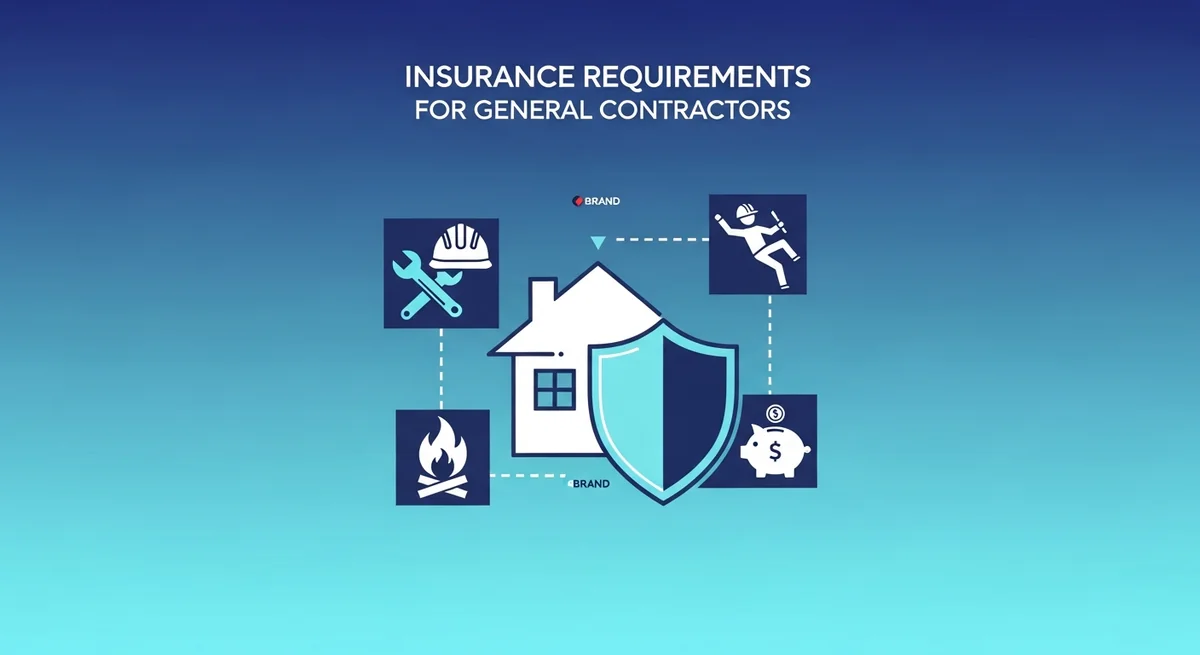
Insurance Requirements for General Contractors
General contractors face unique liability exposures that require comprehensive insurance coverage. Whether you're building residential homes, commercial properties, or managing multiple subcontractors, understanding insurance requirements for general contractors is essential to protect your business, comply with contracts, and avoid costly gaps in coverage.