The Role of Insurance in Enterprise Risk Management
Enterprise risk management (ERM) provides a comprehensive framework for identifying, assessing, and mitigating risks across your organization. Insurance plays a critical role in this framework, serving as both a financial safety net and a strategic tool for transferring risk. Understanding the role of insurance in enterprise risk management helps businesses protect assets, maintain continuity, and make informed decisions about risk tolerance.
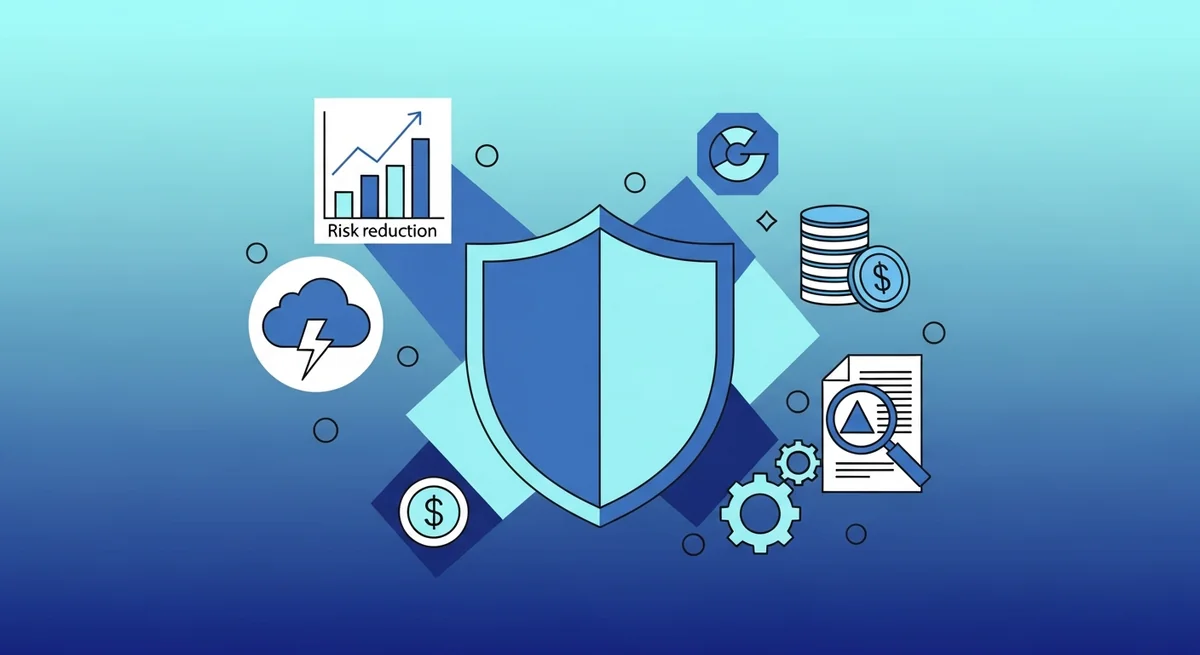
The Role of Insurance in Enterprise Risk Management: Complete Guide
Enterprise risk management (ERM) provides a comprehensive framework for identifying, assessing, and mitigating risks across your organization. Insurance plays a critical role in this framework, serving as both a financial safety net and a strategic tool for transferring risk. Understanding the role of insurance in enterprise risk management helps businesses protect assets, maintain continuity, and make informed decisions about risk tolerance.
In this guide, you'll learn how insurance integrates with ERM strategies, which coverage types support different risk categories, and how to build an insurance program that aligns with your organization's risk appetite. Whether you're developing your first ERM framework or optimizing an existing program, this resource provides actionable insights for leveraging insurance effectively.
Understanding Enterprise Risk Management Fundamentals
Enterprise risk management is a holistic approach to identifying and managing risks that could impact your organization's ability to achieve its objectives. Unlike traditional risk management, which often operates in silos, ERM considers risks across all departments and functions simultaneously.
The Four Key Components of ERM
Effective enterprise risk management frameworks typically include four core components:
- Risk Identification — Systematically discovering potential threats to your organization, from operational disruptions to regulatory changes
- Risk Assessment — Evaluating the likelihood and potential impact of identified risks using qualitative and quantitative methods
- Risk Response — Developing strategies to avoid, reduce, share, or accept risks based on your organization's risk appetite
- Risk Monitoring — Continuously tracking risk indicators and adjusting strategies as conditions change
Insurance functions primarily within the risk response component, offering a mechanism to transfer financial consequences to a third party. However, insurance considerations should inform all four components of your ERM framework.
Where Insurance Fits in the Risk Management Hierarchy
The role of insurance in enterprise risk management becomes clearer when you understand the risk management hierarchy. Organizations typically address risks in this order:
- Risk Avoidance — Eliminating activities that create unacceptable risk exposure
- Risk Reduction — Implementing controls and procedures to minimize likelihood or impact
- Risk Transfer — Shifting financial consequences to another party through insurance or contracts
- Risk Acceptance — Retaining risks that fall within your organization's risk tolerance
Insurance serves as your primary risk transfer mechanism. After you've avoided unacceptable risks and reduced others through operational controls, insurance provides financial protection against remaining exposures that exceed your retention capacity. For comprehensive guidance on establishing these frameworks, see our resource on Building An Insurance Compliance Program which details how to structure your risk transfer strategy.
How Insurance Supports Enterprise Risk Management Goals
Insurance contributes to enterprise risk management in several strategic ways beyond simply providing financial compensation after a loss. Understanding these contributions helps you maximize the value of your insurance program.
Financial Stability and Predictability
Insurance converts unpredictable, potentially catastrophic losses into predictable premium expenses. This transformation provides several benefits:
- Budget certainty through fixed premium costs rather than volatile loss reserves
- Cash flow protection by avoiding large, unexpected expenditures that could disrupt operations
- Balance sheet stability by transferring liabilities that could otherwise impact financial ratios
- Credit enhancement as lenders often require specific coverage types before extending financing
For example, a manufacturing company facing potential product liability claims might face losses ranging from zero to several million dollars annually. By purchasing appropriate coverage, they convert this uncertainty into a predictable annual premium, enabling more accurate financial planning.
Business Continuity and Resilience
The role of insurance in enterprise risk management extends to ensuring your organization can continue operating after a significant loss event. Business interruption coverage, property insurance, and other policies provide capital needed to:
- Replace damaged assets quickly without depleting working capital
- Maintain payroll and fixed expenses during temporary shutdowns
- Fulfill contractual obligations even when operations are disrupted
- Preserve customer relationships by minimizing service interruptions
Consider a retail chain that experiences a fire at its distribution center. Without adequate insurance, the company might struggle to rebuild while simultaneously covering ongoing expenses. With proper coverage, insurance proceeds enable rapid recovery while maintaining normal operations at other locations.
Contractual Risk Transfer and Stakeholder Requirements
Insurance enables your organization to meet contractual obligations and stakeholder expectations. Most commercial relationships require proof of insurance coverage through certificates of insurance. Understanding The Relationship Between Cois And Contracts helps you recognize how insurance documentation supports your broader risk management objectives.
Key stakeholders requiring insurance verification include:
- Clients and customers who need protection against your errors or accidents
- Landlords and property owners concerned about liability and property damage
- General contractors managing subcontractor risk exposure
- Lenders protecting their financial interests in your assets
- Regulatory bodies enforcing industry-specific insurance requirements
Aligning Insurance Coverage with Risk Categories
Effective enterprise risk management requires matching insurance products to specific risk categories your organization faces. This alignment ensures comprehensive protection without unnecessary coverage gaps or redundancies.
Operational Risks and Property Coverage
Operational risks stem from internal processes, systems, and physical assets. Insurance addresses these risks through several coverage types:
- Commercial Property Insurance — Protects buildings, equipment, inventory, and other physical assets against fire, theft, and natural disasters
- Business Interruption Insurance — Covers lost income and ongoing expenses when operations are suspended due to covered property damage
- Equipment Breakdown Insurance — Addresses mechanical and electrical failures not covered by standard property policies
- Cyber Insurance — Covers data breaches, system failures, and cyber extortion affecting digital operations
The role of insurance in enterprise risk management for operational risks involves ensuring coverage limits match asset values and potential income losses. Many organizations underinsure by failing to account for replacement cost inflation or extended business interruption periods.
Liability Risks and Third-Party Coverage
Liability risks arise from your organization's potential to cause harm to others. These risks require different insurance approaches than property exposures. Learn more about fundamental coverage types at What Is General Liability Insurance to understand baseline protection.
Essential liability coverages include:
- General Liability Insurance — Covers bodily injury, property damage, and personal injury claims from business operations
- Professional Liability Insurance — Protects against claims of errors, omissions, or negligence in professional services
- Product Liability Insurance — Addresses injuries or damages caused by products you manufacture or sell
- Directors and Officers Insurance — Protects leadership from personal liability for management decisions
- Employment Practices Liability Insurance — Covers claims related to wrongful termination, discrimination, or harassment
Many organizations also purchase umbrella or excess liability coverage to extend limits beyond primary policies. This additional layer proves critical when claims exceed standard policy limits, which increasingly occurs in today's litigation environment.
Human Capital Risks and Employee Coverage
Your workforce represents both an asset and a risk category requiring specific insurance solutions:
- Workers Compensation Insurance — Mandatory in most states, covering employee injuries and occupational illnesses
- Key Person Insurance — Protects against financial losses from death or disability of critical executives
- Fiduciary Liability Insurance — Covers breaches of duty related to employee benefit plan management
The role of insurance in enterprise risk management for human capital extends beyond regulatory compliance. These coverages protect your organization's ability to attract talent, maintain productivity, and manage succession planning.
Strategic and Financial Risks
Higher-level organizational risks require specialized insurance products:
- Trade Credit Insurance — Protects against customer payment defaults on credit sales
- Political Risk Insurance — Covers losses from government actions, civil unrest, or currency inconvertibility
- Representations and Warranties Insurance — Protects M&A transactions against breaches of deal representations
- Contingent Business Interruption — Covers income losses when key suppliers or customers experience disruptions
Building an Insurance Program Within Your ERM Framework
Integrating insurance effectively into enterprise risk management requires a structured approach that connects coverage decisions to your overall risk strategy.
Step 1: Conduct a Comprehensive Risk Assessment
Before purchasing insurance, identify and quantify all risks your organization faces. This assessment should:
- Catalog potential loss events across all operational areas
- Estimate maximum probable loss for each identified risk
- Evaluate likelihood of occurrence using historical data and expert judgment
- Prioritize risks based on potential impact to business objectives
- Consider interdependencies between different risk categories
This assessment reveals which risks require insurance transfer versus other risk management techniques. For guidance on documenting this process, review Insurance Compliance Documentation Best Practices to ensure your risk assessment meets audit and compliance standards.
Step 2: Define Your Risk Appetite and Retention Strategy
The role of insurance in enterprise risk management depends heavily on your organization's risk appetite—the amount of risk you're willing to accept in pursuit of objectives. This appetite determines:
- Deductible levels — Higher deductibles reduce premiums but increase retained risk
- Coverage limits — Limits should reflect worst-case scenarios, not just average losses
- Self-insurance decisions — Which risks to retain entirely based on frequency and predictability
- Captive insurance considerations — Whether to form your own insurance entity for certain exposures
Organizations with strong balance sheets and predictable loss patterns often retain more risk through higher deductibles or self-insurance. Conversely, companies with volatile cash flows or low-frequency, high-severity risks typically transfer more risk to insurers.
Step 3: Design Your Insurance Portfolio
With risk assessment and appetite defined, construct an insurance portfolio that addresses priority exposures. Consider:
- Coverage breadth — Ensure all significant risks have corresponding insurance protection
- Coverage depth — Set limits sufficient to cover maximum probable losses
- Policy coordination — Eliminate gaps and overlaps between different policies
- Endorsement optimization — Add endorsements addressing unique exposures not covered by standard forms
- Insurer selection — Choose carriers with strong financial ratings and claims-paying ability
Many organizations benefit from working with experienced insurance brokers who understand the role of insurance in enterprise risk management. Brokers provide market access, coverage analysis, and claims advocacy that internal teams often cannot replicate.
Step 4: Implement Ongoing Monitoring and Adjustment
Insurance needs evolve as your organization grows and the risk landscape changes. Establish processes to:
- Review coverage annually before renewal to identify gaps or redundancies
- Update coverage when significant business changes occur (acquisitions, new products, facility expansions)
- Track and analyze claims data to identify risk trends and loss control opportunities
- Monitor insurance market conditions affecting pricing and coverage availability
- Maintain current certificates of insurance for all policies and ensure proper distribution to stakeholders
Regular monitoring prevents coverage lapses that could expose your organization to uninsured losses. It also identifies opportunities to optimize your insurance program as your risk profile changes.
Best Practices for Integrating Insurance into ERM
Organizations that effectively leverage the role of insurance in enterprise risk management follow several proven practices that maximize value from their insurance investments.
Establish Cross-Functional Collaboration
Insurance decisions should involve multiple stakeholders beyond the risk management department:
- Finance teams provide input on budget constraints and capital allocation
- Legal departments review policy language and contractual insurance requirements
- Operations managers identify emerging risks from business activities
- Sales and procurement understand customer and vendor insurance requirements
- Executive leadership sets overall risk appetite and strategic direction
Creating a risk management committee that meets quarterly helps ensure insurance decisions align with broader organizational objectives. This committee should review significant claims, assess coverage adequacy, and approve major program changes. For more on organizational structure, see Insurance Compliance Roles And Responsibilities to understand how different roles contribute to effective risk management.
Implement Robust Documentation Practices
Proper documentation supports both insurance claims and ERM reporting requirements. Maintain:
- Complete policy files including declarations, forms, and endorsements
- Coverage summaries accessible to relevant stakeholders
- Claims history with root cause analysis and corrective actions
- Risk assessment documentation supporting coverage decisions
- Certificates of insurance organized by project, vendor, or contract
- Correspondence with insurers and brokers regarding coverage questions
Digital documentation systems improve accessibility and reduce the risk of lost records. Many organizations now use specialized platforms to manage insurance documentation alongside other ERM materials.
Leverage Data Analytics for Better Decisions
The role of insurance in enterprise risk management becomes more strategic when supported by data analytics. Organizations should track:
- Total cost of risk — Premiums plus retained losses plus risk management costs
- Loss frequency and severity trends — Patterns indicating where risk control efforts should focus
- Premium allocation by coverage type — Understanding where insurance dollars are spent
- Claims closure rates and cycle times — Insurer performance metrics
- Coverage utilization — Whether limits are appropriate based on actual claim experience
This data enables evidence-based decisions about deductibles, limits, and coverage selections. It also helps justify insurance expenditures to executive leadership by demonstrating program effectiveness.
Integrate Loss Control with Insurance Programs
Insurance works most effectively when paired with proactive loss control measures. This integration creates a virtuous cycle:
- Loss control reduces claim frequency and severity
- Improved loss experience leads to lower insurance premiums
- Premium savings fund additional loss control investments
- Enhanced controls further reduce losses
Effective loss control initiatives include safety training programs, equipment maintenance schedules, quality control procedures, and cybersecurity protocols. Many insurers provide loss control consulting services to help policyholders implement these measures.
Maintain Strong Insurer Relationships
The role of insurance in enterprise risk management extends beyond purchasing policies. Building relationships with insurers and brokers provides:
- Better claims handling through established communication channels
- Access to specialized coverage for unique exposures
- Market intelligence about emerging risks and coverage trends
- Favorable pricing consideration during hard market cycles
- Loss control resources and risk management expertise
Schedule regular meetings with key insurers to discuss your risk management initiatives, business changes, and claims experience. This proactive communication helps insurers understand your risk profile and positions you as a desirable account.
Common Mistakes When Integrating Insurance into ERM
Even experienced risk managers make errors that diminish the effectiveness of insurance within their ERM frameworks. Avoiding these pitfalls ensures your insurance program delivers maximum value.
Treating Insurance as a Standalone Function
Many organizations silo insurance management from broader risk management activities. This separation creates several problems:
- Coverage gaps emerge because insurance buyers lack visibility into operational risks
- Risk mitigation efforts proceed without considering insurance implications
- Opportunities to optimize total cost of risk are missed
- Insurance program changes lag behind business evolution
The role of insurance in enterprise risk management requires integration with all risk management activities. Insurance decisions should flow from risk assessments, and coverage changes should trigger updates to risk registers and mitigation plans.
Focusing Solely on Premium Cost
While controlling insurance costs matters, making decisions based solely on premium price creates significant risks:
- Lower premiums often reflect reduced coverage or higher deductibles that increase retained risk
- Cheaper policies may come from financially weak insurers with poor claims-paying records
- Inadequate limits save premium dollars but expose the organization to catastrophic losses
- Policy exclusions and limitations may not be fully understood in the rush to reduce costs
Evaluate insurance programs based on total cost of risk, not just premium expense. A policy that costs 20% more but provides broader coverage and better claims service often delivers superior value. The cost of non-compliance with insurance requirements can far exceed premium savings, as detailed in The Cost Of Non Compliance Real World Examples which illustrates expensive consequences of inadequate coverage.
Neglecting Policy Language and Endorsements
Insurance policies contain complex language that significantly impacts coverage. Common oversights include:
- Failing to review policy forms and endorsements carefully before binding coverage
- Not understanding how exclusions limit coverage for specific scenarios
- Missing requirements for timely claim notification or cooperation with investigations
- Overlooking sublimits that cap coverage for certain loss types below the overall policy limit
- Accepting standard forms without requesting endorsements addressing unique exposures
Invest time in understanding policy language or engage legal counsel to review complex coverage forms. Many claim denials result from policyholders misunderstanding coverage terms they assumed were included.
Inadequate Certificate of Insurance Management
Organizations often underestimate the importance of tracking certificates of insurance for vendors, contractors, and other third parties. Poor certificate management leads to:
- Uninsured vendors performing work on your premises
- Expired coverage going unnoticed until a claim occurs
- Missing additional insured endorsements that leave your organization exposed
- Contractual violations that create legal and financial exposure
- Audit findings and compliance failures
The role of insurance in enterprise risk management includes managing third-party insurance requirements systematically. Implement processes to collect, verify, and track certificates before allowing vendors to begin work, and monitor expiration dates to ensure continuous coverage.
Failing to Update Coverage for Business Changes
Business evolution often outpaces insurance program updates. Common scenarios include:
- Acquiring new facilities without adding them to property coverage
- Launching new products or services that create uncovered liability exposures
- Expanding into new geographic markets with different insurance requirements
- Acquiring companies without properly integrating their insurance programs
- Growing revenue significantly without increasing liability limits proportionally
Establish notification protocols requiring operational teams to inform risk management about significant business changes. Build insurance review triggers into major project approval processes to ensure coverage keeps pace with organizational evolution.
Key Takeaways
- The role of insurance in enterprise risk management centers on transferring financial consequences of risks that exceed your organization's retention capacity while supporting business continuity and stakeholder requirements
- Effective insurance programs align with all four ERM components: risk identification, assessment, response, and monitoring, rather than functioning as isolated purchases
- Different risk categories require specific insurance solutions—operational risks need property coverage, liability risks require third-party policies, and strategic risks demand specialized products
- Building an insurance program within ERM requires comprehensive risk assessment, clear risk appetite definition, thoughtful portfolio design, and ongoing monitoring
- Best practices include cross-functional collaboration, robust documentation, data analytics, integrated loss control, and strong insurer relationships
- Common mistakes to avoid include treating insurance as standalone, focusing solely on premium cost, neglecting policy language, inadequate certificate management, and failing to update coverage for business changes
- Insurance works most effectively when paired with proactive risk mitigation measures that reduce claim frequency and severity
- Regular program reviews ensure coverage keeps pace with organizational evolution and changing risk landscapes
Related Resources
- Building an Insurance Compliance Program — Learn how to establish comprehensive frameworks that integrate insurance with broader compliance requirements. Building An Insurance Compliance Program
- Insurance Compliance Roles and Responsibilities — Understand which team members should contribute to insurance decisions and risk management activities. Insurance Compliance Roles And Responsibilities
- The Cost of Non-Compliance: Real-World Examples — Discover the financial impact of inadequate insurance coverage through actual case studies. The Cost Of Non Compliance Real World Examples
- Understanding Insurance Compliance Audits — Prepare for audits that evaluate the effectiveness of your insurance program within your ERM framework. Understanding Insurance Compliance Audits
- The Role of Insurance Brokers in Risk Management — Explore how brokers support enterprise risk management beyond simply placing coverage. The Role Of Insurance Brokers In Risk Management
Frequently Asked Questions
What is the primary role of insurance in enterprise risk management?
Insurance serves as a risk transfer mechanism within enterprise risk management frameworks. Its primary role is to convert unpredictable, potentially catastrophic losses into predictable premium expenses, protecting your organization's financial stability. Insurance also supports business continuity by providing capital to recover from loss events, enables contractual compliance by meeting stakeholder insurance requirements, and allows organizations to pursue strategic objectives by transferring risks that exceed their retention capacity. Effective ERM integrates insurance with other risk management techniques like avoidance, reduction, and acceptance to create comprehensive protection.
How do you determine appropriate insurance coverage limits for ERM purposes?
Determining appropriate coverage limits requires analyzing your maximum probable loss for each risk category. Start by conducting comprehensive risk assessments that identify potential loss scenarios and estimate their financial impact. Consider worst-case scenarios, not just average losses, when setting limits. Factor in your organization's risk appetite and financial capacity to retain losses—limits should transfer risks that would materially impact your balance sheet or operations. Review historical claim data and industry benchmarks to validate your estimates. Also consider contractual requirements from clients, lenders, and landlords that may mandate minimum coverage levels. Many organizations purchase umbrella or excess liability policies to extend limits beyond primary coverage, providing additional protection against catastrophic claims.
Should insurance decisions be centralized or decentralized in large organizations?
Most large organizations benefit from centralized insurance purchasing with decentralized risk identification and reporting. Centralization enables volume discounts, consistent coverage terms across business units, and coordinated risk management strategies. A central risk management team can negotiate better pricing, ensure policy coordination, and maintain relationships with key insurers and brokers. However, operational teams in different business units should actively participate in identifying risks and reporting changes that affect insurance needs. This hybrid approach combines the efficiency and expertise of centralized purchasing with the operational knowledge of decentralized teams. Establish clear communication protocols so business units notify the central risk management function about acquisitions, new products, facility changes, or other developments requiring coverage adjustments.
How often should organizations review their insurance programs as part of ERM?
Conduct comprehensive insurance program reviews annually before policy renewals, but monitor coverage throughout the year as business conditions change. Annual reviews should assess coverage adequacy, evaluate claims experience, analyze premium costs relative to market conditions, and ensure alignment with current risk exposures. However, trigger interim reviews when significant events occur such as acquisitions, divestitures, new product launches, facility expansions, or entry into new markets. These changes can create coverage gaps or make existing insurance inadequate. Also review coverage after major claims to understand whether limits proved sufficient and whether policy language performed as expected. Quarterly risk management committee meetings should include insurance program updates to ensure ongoing alignment with enterprise risk management objectives.
What metrics should organizations track to measure insurance program effectiveness within ERM?
Track total cost of risk as your primary metric, which includes insurance premiums, retained losses (deductibles and uninsured claims), and risk management administrative costs. This comprehensive measure reveals whether your insurance program delivers value beyond just premium expense. Also monitor claim frequency and severity trends to identify emerging risks requiring attention. Track the ratio of premiums paid to claims received over multi-year periods to understand whether your coverage provides good value. Measure certificate of insurance compliance rates if you manage third-party risks, as gaps in vendor coverage create exposure. Monitor insurance placement efficiency by tracking the time required to bind coverage and resolve coverage questions. Finally, assess stakeholder satisfaction with insurance support through surveys of operational teams who interact with the program regularly.
Conclusion
Understanding the role of insurance in enterprise risk management enables your organization to leverage coverage strategically rather than viewing it as a regulatory burden or necessary expense. Insurance provides financial stability, supports business continuity, and enables contractual compliance when integrated thoughtfully with broader risk management activities.
Effective insurance programs within ERM frameworks align coverage with specific risk categories, establish appropriate retention levels based on organizational risk appetite, and evolve as business conditions change. By avoiding common mistakes like siloed decision-making and cost-only focus, you maximize the value of your insurance investments while protecting against catastrophic losses.
The organizations that excel at integrating insurance into enterprise risk management treat coverage as one component of comprehensive risk strategies that include prevention, mitigation, transfer, and acceptance. This balanced approach delivers superior risk management outcomes and positions insurance as a strategic asset supporting organizational objectives.
Start your free trial of PolicyManagerHub today to streamline insurance compliance tracking and strengthen your enterprise risk management framework with automated certificate management, expiration monitoring, and comprehensive reporting.
CoverLedger Editorial Team
Expert insights on insurance compliance, COI tracking, and risk management from the CoverLedger team.
Related Articles

Construction Project Insurance Coverage Layers
Construction projects involve significant financial risk, complex liability exposures, and multiple parties working simultaneously. Understanding construction project insurance coverage layers is essential for protecting your business from catastrophic losses. This comprehensive guide explains how insurance layers work, why they matter, and how to structure adequate protection for projects of any size.
Subcontractor Insurance: What GCs Need to Verify
As a general contractor, you face significant liability exposure when subcontractors work on your projects. Without proper insurance verification, you could be held responsible for accidents, property damage, or injuries caused by subs. This comprehensive guide covers everything about subcontractor insurance: what GCs need to verify to protect their business, reduce risk, and maintain compliance.
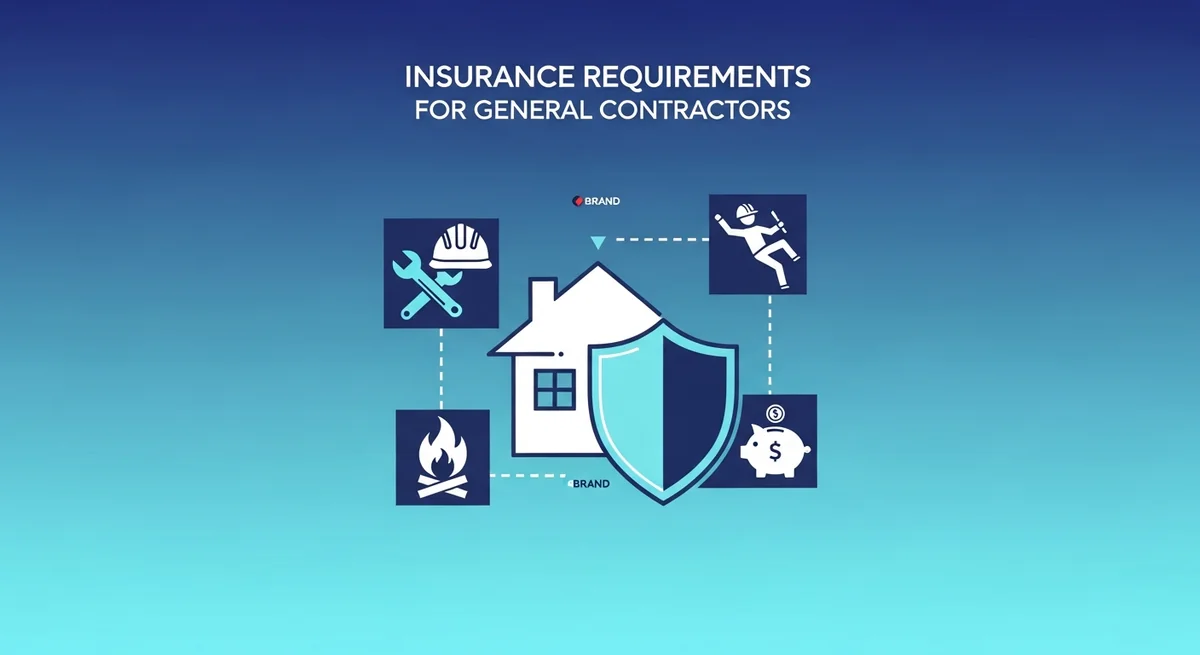
Insurance Requirements for General Contractors
General contractors face unique liability exposures that require comprehensive insurance coverage. Whether you're building residential homes, commercial properties, or managing multiple subcontractors, understanding insurance requirements for general contractors is essential to protect your business, comply with contracts, and avoid costly gaps in coverage.