The Connection Between COIs and Loss Prevention
Certificates of Insurance (COIs) serve as more than administrative paperwork. They represent a critical frontline defense in your organization's loss prevention strategy. Understanding the connection between COIs and loss prevention helps businesses reduce financial exposure, minimize liability claims, and build stronger vendor relationships. This comprehensive guide reveals how proper COI management directly impacts your bottom line through effective risk mitigation.
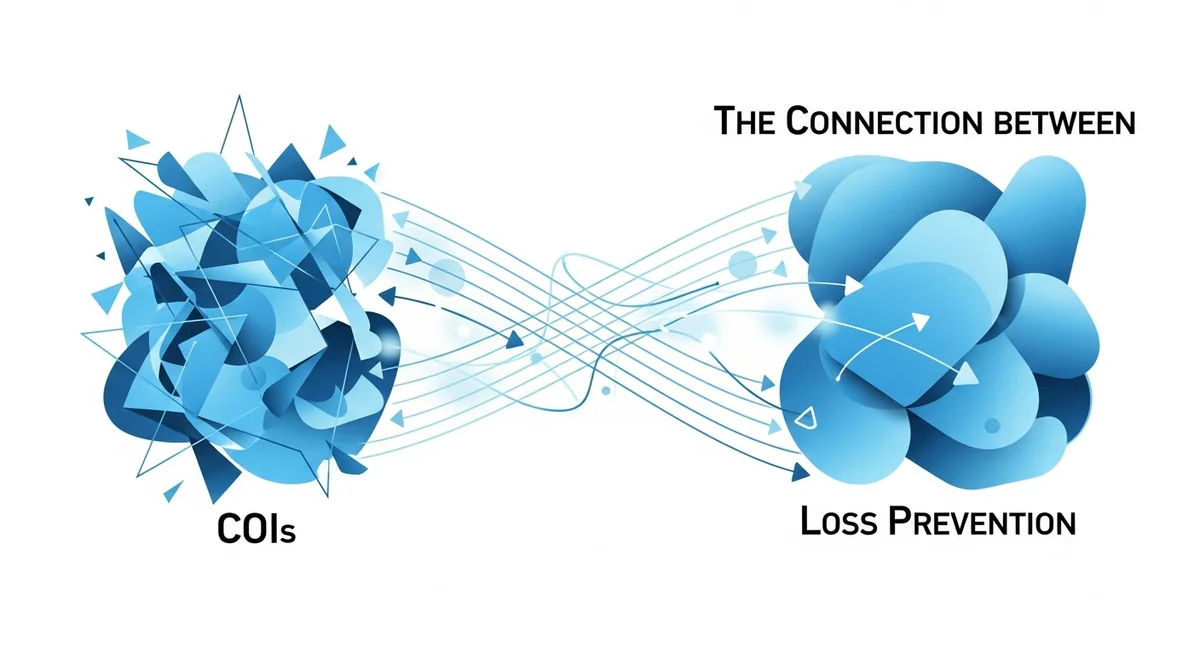
The Connection Between COIs and Loss Prevention: A Complete Guide
Certificates of Insurance (COIs) serve as more than administrative paperwork. They represent a critical frontline defense in your organization's loss prevention strategy. Understanding the connection between COIs and loss prevention helps businesses reduce financial exposure, minimize liability claims, and build stronger vendor relationships. This comprehensive guide reveals how proper COI management directly impacts your bottom line through effective risk mitigation.
In this guide, you'll discover the fundamental relationship between insurance verification and loss prevention, learn step-by-step strategies for leveraging COIs to reduce risk, and understand best practices that protect your organization from costly claims. Whether you manage a construction site, property portfolio, or vendor network, mastering the connection between COIs and loss prevention is essential for sustainable business operations.
Understanding the Fundamentals: How COIs Support Loss Prevention
Loss prevention encompasses all strategies and practices that minimize financial losses from accidents, injuries, property damage, and liability claims. While many organizations view COIs as compliance documents, they actually function as preventive controls that reduce loss exposure before incidents occur.
What Makes COIs Effective Loss Prevention Tools
Certificates of insurance verify that contractors, vendors, and third parties maintain adequate coverage to handle potential losses. This verification process creates multiple layers of protection. First, it ensures financial resources exist to cover damages without impacting your organization's assets. Second, it demonstrates that vendors take risk management seriously enough to maintain proper insurance. Third, it establishes clear accountability when incidents occur.
The connection between COIs and loss prevention becomes evident when examining real-world scenarios. Consider a property management company that requires all maintenance contractors to provide certificates showing general liability coverage of at least $2 million. When a contractor's employee accidentally causes a fire during HVAC repairs, the contractor's insurance covers the $500,000 in damages. Without proper COI verification, the property owner would face direct financial loss.
The Financial Impact of Inadequate COI Management
Organizations that neglect the connection between COIs and loss prevention face significant financial consequences. According to our research at The Cost Of Non Compliance Real World Examples, companies experience an average of $75,000 in direct costs per uninsured incident. These costs include legal fees, settlement payments, and increased insurance premiums.
Beyond direct financial losses, inadequate COI verification creates operational disruptions. Projects halt while legal teams investigate liability. Insurance carriers increase premiums or reduce coverage limits. Reputation damage affects future vendor relationships and client acquisition. The cumulative effect can threaten business viability, especially for small to mid-sized organizations operating on tight margins.
Key Insurance Requirements That Prevent Losses
Effective loss prevention through COI management requires understanding which coverage types address specific risks. General liability insurance protects against bodily injury and property damage claims. Workers compensation coverage ensures injured employees receive benefits without suing your organization. Professional liability insurance covers errors and omissions in service delivery. Commercial auto insurance addresses vehicle-related incidents.
The connection between COIs and loss prevention strengthens when you require appropriate coverage limits based on risk exposure. High-risk activities like roofing or electrical work demand higher limits than low-risk office services. Additional insured status provides direct protection by extending the vendor's policy to cover your organization. Waiver of subrogation prevents insurance carriers from pursuing recovery against your business after paying claims.
Step-by-Step: Building a Loss Prevention Strategy Through COI Management
Implementing the connection between COIs and loss prevention requires systematic processes that identify risks, verify coverage, and maintain ongoing compliance. The following steps create a comprehensive framework for using COI management as a loss prevention tool.
Step 1: Conduct Risk Assessment for Each Vendor Category
Begin by categorizing vendors based on risk exposure. Construction contractors present different risks than office supply vendors. For guidance on systematic evaluation, review our resource at How To Assess Vendor Insurance Risk which provides detailed frameworks for risk categorization.
Document specific activities each vendor performs on your premises or behalf. Identify potential loss scenarios including property damage, bodily injury, professional errors, vehicle accidents, and employee injuries. Assign risk ratings (low, medium, high) based on likelihood and potential severity. This assessment determines appropriate insurance requirements for each vendor category.
Step 2: Establish Clear Insurance Requirements
Transform risk assessments into specific insurance requirements. Define minimum coverage limits for each insurance type based on potential loss exposure. Specify required endorsements including additional insured status and waiver of subrogation. Set acceptable deductible limits to ensure vendors maintain financial capacity.
Document these requirements in vendor contracts and master service agreements. The connection between COIs and loss prevention depends on contractual enforcement. Include provisions requiring certificate submission before work begins, notification of policy changes, and renewal certificate delivery. Clear contractual language prevents disputes when enforcing compliance.
Step 3: Implement Systematic Certificate Collection
Create standardized processes for collecting certificates before vendor engagement. Designate specific team members responsible for COI collection and verification. Establish submission deadlines that allow adequate review time before work commences. Use automated reminders to prompt vendors when certificates approach expiration.
The connection between COIs and loss prevention weakens when collection processes contain gaps. Implement a no-exceptions policy requiring certificate approval before site access or contract execution. Document all collection attempts and vendor responses. Maintain audit trails showing when certificates were received, reviewed, and approved.
Step 4: Verify Certificate Accuracy and Adequacy
Receiving a certificate doesn't complete the loss prevention process. Thorough verification ensures the certificate accurately reflects active coverage meeting your requirements. Check that your organization appears as certificate holder with correct legal name and address. Verify coverage effective dates span the contract period. Confirm coverage limits meet or exceed specified minimums.
Examine the certificate for required endorsements including additional insured status and waiver of subrogation. Verify the insurance carrier maintains acceptable financial ratings from agencies like AM Best. Contact insurance agents directly when certificates contain unclear information or potential discrepancies. For detailed guidance on verification procedures, consult How To Verify Certificate Of Insurance which outlines comprehensive review protocols.
Step 5: Monitor Ongoing Compliance
The connection between COIs and loss prevention requires continuous monitoring, not one-time verification. Insurance policies expire, vendors cancel coverage, and circumstances change. Implement tracking systems that alert you 30-60 days before certificate expiration. Schedule quarterly compliance reviews for high-risk vendors.
Establish escalation procedures when vendors fail to provide renewal certificates. First, send automated reminders. Second, contact vendors directly via phone and email. Third, suspend work authorization until compliance is restored. Fourth, terminate contracts for persistent non-compliance. Document all monitoring activities and compliance status for audit purposes.
Step 6: Integrate COI Data with Risk Management Systems
Maximize the connection between COIs and loss prevention by integrating certificate data with broader risk management initiatives. Track correlations between vendor insurance compliance and incident rates. Analyze which coverage types most effectively reduce specific loss categories. Use compliance data to inform vendor selection and contract renewal decisions.
Generate regular reports showing compliance rates, expired certificates, and coverage gaps. Share insights with leadership teams to demonstrate loss prevention program effectiveness. Use data to refine insurance requirements and identify emerging risks requiring additional coverage types or higher limits.
Best Practices: Maximizing Loss Prevention Through COI Management
Organizations that excel at leveraging the connection between COIs and loss prevention follow proven practices that go beyond basic compliance. These strategies enhance protection while streamlining operations.
Tailor Requirements to Actual Risk Exposure
Avoid one-size-fits-all insurance requirements. Vendors performing high-risk activities need higher coverage limits and additional endorsements. Low-risk vendors may require only basic coverage. This risk-based approach optimizes the connection between COIs and loss prevention by allocating resources where they provide maximum protection.
Consider contract value, project duration, and loss history when setting requirements. A vendor performing $10,000 of low-risk work may need $1 million in general liability coverage. A contractor executing a $500,000 construction project should carry $5 million or more. Scale requirements proportionally to potential loss exposure.
Require Primary and Non-Contributory Coverage
Strengthen the connection between COIs and loss prevention by requiring vendor insurance to respond as primary coverage. This endorsement ensures the vendor's insurance pays claims first, before your policy is accessed. Non-contributory language prevents insurance carriers from seeking contribution from your policy to share claim costs.
These endorsements provide critical protection when incidents involve multiple parties. Without primary and non-contributory status, your insurance carrier might pay a portion of claims that should be covered entirely by vendor policies. This increases your loss experience and potentially raises future premiums.
Verify Additional Insured Status with Endorsement Copies
Certificates often indicate additional insured status, but the actual policy endorsement provides the only legally binding proof. Request copies of additional insured endorsements to confirm coverage extends to your organization. Review endorsement language to ensure it covers both ongoing operations and completed operations.
Some endorsements limit additional insured coverage to specific projects or locations. Others expire when the vendor's work is complete, leaving no coverage for latent defects discovered later. Understanding these limitations strengthens the connection between COIs and loss prevention by ensuring you have the protection you expect.
Implement Pre-Qualification Processes
Review vendor insurance during the selection process, not after contract execution. Pre-qualification prevents situations where you must choose between accepting inadequate coverage or delaying projects. Evaluate insurance compliance alongside technical capabilities, pricing, and references.
Create an approved vendor list containing only those meeting insurance requirements. Update this list quarterly as policies expire and vendors provide renewal certificates. This approach reinforces the connection between COIs and loss prevention by ensuring only properly insured vendors perform work for your organization. For comprehensive guidance on developing these systems, see our framework at Creating A Vendor Risk Assessment Framework which details pre-qualification methodologies.
Automate Tracking and Renewal Management
Manual tracking methods fail to maintain the connection between COIs and loss prevention at scale. Spreadsheets become outdated, emails get overlooked, and certificates expire without notice. Automated systems track expiration dates, send renewal reminders, and flag non-compliant vendors.
Technology solutions extract data from certificates, verify coverage requirements, and generate compliance reports. This automation reduces administrative burden while improving accuracy. Organizations typically reduce certificate management time by 75% while increasing compliance rates above 95%. To explore automation benefits, review How To Automate Coi Tracking which demonstrates efficiency gains.
Educate Vendors on Insurance Requirements
Many vendors struggle to understand why specific coverage types and limits are required. Provide clear explanations of how insurance requirements protect both parties. Offer guidance on working with insurance agents to obtain necessary endorsements. Share examples of proper certificates meeting your requirements.
Vendor education strengthens the connection between COIs and loss prevention by improving first-time submission accuracy. Vendors submit compliant certificates faster when they understand requirements. This reduces back-and-forth communication and prevents project delays caused by insurance issues.
Conduct Regular Compliance Audits
Schedule quarterly or annual audits reviewing COI management processes and compliance rates. Identify vendors with expired certificates, missing endorsements, or inadequate limits. Assess whether current insurance requirements adequately address evolving risks. Evaluate staff adherence to collection and verification procedures.
Audit findings inform process improvements and training needs. They also demonstrate due diligence to insurance carriers, legal counsel, and regulatory agencies. Regular audits maintain the connection between COIs and loss prevention by ensuring systems remain effective as your organization grows and changes.
Common Mistakes That Weaken Loss Prevention Efforts
Even organizations that understand the connection between COIs and loss prevention make critical mistakes that undermine protection. Recognizing these pitfalls helps you avoid costly gaps in your risk management program.
Accepting Certificates Without Thorough Verification
The most common mistake is treating certificate receipt as the end of the process. Simply having a certificate in your files provides no protection if the coverage is inadequate or the information is inaccurate. Many certificates contain errors including wrong coverage limits, missing endorsements, or expired effective dates.
Always verify that certificates match your requirements exactly. Check every field including policy numbers, effective dates, coverage limits, and endorsements. Contact insurance agents to confirm coverage when questions arise. This diligence preserves the connection between COIs and loss prevention by ensuring you have the protection you believe exists.
Failing to Track Certificate Expirations
Certificates typically cover 12-month policy periods. When policies expire without renewal, you lose protection despite having a certificate on file. Many organizations discover coverage gaps only after incidents occur, when it's too late to prevent losses.
Implement systematic tracking that alerts you before certificates expire. Request renewal certificates 30-60 days in advance. Suspend vendor access when certificates lapse. These practices maintain the connection between COIs and loss prevention throughout vendor relationships, not just at the beginning.
Using Outdated or Inadequate Insurance Requirements
Insurance requirements established years ago may no longer provide adequate protection. Inflation increases claim costs, making old coverage limits insufficient. New business activities introduce risks not addressed by existing requirements. Legal precedents change, requiring different endorsements.
Review and update insurance requirements annually. Consult with insurance brokers and legal counsel to ensure requirements reflect current risk exposures and industry standards. Adjust limits to account for inflation and increased project values. This ongoing refinement strengthens the connection between COIs and loss prevention as your business evolves.
Overlooking Subcontractor Insurance Requirements
Many organizations collect certificates from direct vendors but ignore subcontractors. When subcontractors lack proper insurance, you face exposure despite your vendor's compliance. Subcontractor incidents can trigger claims against your organization, especially if the primary vendor's coverage proves insufficient.
Require vendors to submit certificates for all subcontractors before they begin work. Include contractual provisions making vendors responsible for subcontractor insurance compliance. Verify that vendor policies include coverage for subcontractor operations. These measures extend the connection between COIs and loss prevention throughout your entire vendor network.
Ignoring Claims-Made vs Occurrence Coverage Differences
Professional liability and some other coverage types use claims-made policies that only cover claims filed during the policy period. If a vendor's work causes problems discovered after their policy expires, you may have no coverage for resulting losses. Occurrence policies provide broader protection by covering incidents that occur during the policy period, regardless of when claims are filed.
Understand which coverage types use claims-made versus occurrence forms. For claims-made policies, require extended reporting period endorsements (tail coverage) when vendor relationships end. This ensures you maintain protection for latent issues discovered after work is complete. Proper attention to policy types preserves the connection between COIs and loss prevention for long-term exposures.
Neglecting to Document Non-Compliance
When vendors fail to provide adequate certificates, many organizations allow work to proceed without proper documentation of the compliance failure. This creates liability exposure if incidents occur. It also undermines enforcement of insurance requirements across your vendor base.
Document all instances of non-compliance including the specific deficiencies, communications with vendors, and any decisions to grant temporary waivers. Require written acknowledgment from senior management before allowing non-compliant vendors to work. This documentation protects your organization legally while reinforcing the importance of the connection between COIs and loss prevention.
Relying Solely on Certificates Without Additional Verification
Certificates are evidence of insurance, not insurance policies themselves. They can contain errors or be fraudulent. Some vendors submit certificates for policies they never purchased or that lapsed shortly after issuance. Relying exclusively on certificates creates false confidence in your protection.
Verify certificates by contacting insurance agents directly, especially for high-risk vendors or large projects. Request copies of actual policy declarations pages and endorsements. Check insurance carrier financial ratings to ensure they can pay claims. These additional verification steps strengthen the connection between COIs and loss prevention by confirming coverage actually exists as represented. For detailed guidance on identifying potential fraud, consult How To Identify Fraudulent Acord Certificates which outlines red flags and verification techniques.
Key Takeaways
- The connection between COIs and loss prevention extends beyond compliance to create multiple layers of financial protection against vendor-related incidents
- Effective loss prevention requires systematic processes including risk assessment, clear requirements, thorough verification, and continuous monitoring
- Tailoring insurance requirements to actual risk exposure optimizes protection while avoiding unnecessary vendor burden
- Additional insured status, primary and non-contributory coverage, and waiver of subrogation endorsements provide critical protections that basic certificates may not include
- Automation dramatically improves compliance rates while reducing administrative burden, making the connection between COIs and loss prevention more effective at scale
- Common mistakes like accepting unverified certificates, failing to track expirations, and ignoring subcontractor coverage create dangerous gaps in protection
- Regular audits and requirement updates ensure your COI management program continues protecting against evolving risks
- Vendor education and pre-qualification processes improve compliance while strengthening relationships
Related Resources
- Understanding Third-Party Liability Exposure — Learn how vendor activities create liability exposure and strategies for managing risk through proper insurance requirements. Understanding Third Party Liability Exposure
- The Role of Insurance in Enterprise Risk Management — Discover how insurance verification fits into comprehensive enterprise risk management frameworks. The Role Of Insurance In Enterprise Risk Management
- Building an Insurance Compliance Program — Step-by-step guidance for developing formal insurance compliance programs that integrate COI management with broader risk initiatives. Building An Insurance Compliance Program
- The Relationship Between COIs and Contracts — Understand how to structure vendor contracts to support effective insurance verification and enforcement. The Relationship Between Cois And Contracts
- Understanding Insurance Compliance Audits — Prepare for and conduct effective audits that identify gaps in your COI management processes. Understanding Insurance Compliance Audits
Frequently Asked Questions
How do certificates of insurance prevent losses?
Certificates of insurance prevent losses by verifying that vendors maintain adequate coverage to handle potential claims without impacting your organization's assets. When properly managed, COIs ensure financial resources exist to cover damages, demonstrate vendor commitment to risk management, and establish clear accountability when incidents occur. This verification process creates multiple protection layers that reduce your direct financial exposure from vendor-related accidents, injuries, or property damage.
The connection between COIs and loss prevention becomes most apparent when incidents occur. Organizations with proper certificate verification can direct claims to vendor insurance carriers, avoiding out-of-pocket costs, legal fees, and increased insurance premiums. Those without adequate verification often discover coverage gaps only after losses occur, resulting in significant uninsured expenses.
What insurance requirements should I include for loss prevention?
Essential insurance requirements for loss prevention include general liability coverage (typically $1-5 million depending on risk), workers compensation at statutory limits, commercial auto insurance if vehicles are used, and professional liability for service providers. Beyond basic coverage, require additional insured endorsements that extend the vendor's policy to protect your organization, waiver of subrogation that prevents carriers from pursuing recovery against you, and primary and non-contributory language ensuring vendor coverage responds first.
Coverage limits should reflect actual risk exposure based on contract value, activity risk level, and potential loss severity. High-risk activities like construction or transportation require higher limits than low-risk office services. Include umbrella or excess liability coverage for vendors performing high-exposure work. Tailor requirements to specific risks rather than using one-size-fits-all standards.
How often should I review vendor certificates?
Review vendor certificates before work begins, when policies expire (typically annually), and whenever contract terms change significantly. Implement tracking systems that alert you 30-60 days before certificate expiration so you can request renewals proactively. For high-risk vendors or large projects, conduct quarterly compliance reviews to verify coverage remains in force and adequate.
The connection between COIs and loss prevention depends on continuous monitoring, not one-time verification. Insurance policies can be cancelled mid-term, vendors may fail to renew coverage, or circumstances may change requiring different coverage types. Regular review cycles catch these issues before they create exposure gaps. Automated tracking systems make frequent reviews practical by flagging upcoming expirations and non-compliant vendors.
What happens if a vendor works without proper insurance?
When vendors work without proper insurance, your organization assumes direct financial responsibility for incidents they cause. If an uninsured vendor injures someone or damages property, you face potential lawsuits, settlement costs, legal fees, and increased insurance premiums. Your own insurance may cover some losses, but this increases your loss experience and future costs. In severe cases, allowing uninsured vendors to work can constitute negligence, creating additional liability exposure.
Beyond financial consequences, uninsured vendor incidents create operational disruptions including project delays, regulatory investigations, and reputation damage. Some insurance carriers include policy conditions requiring you to verify vendor insurance, potentially voiding your coverage if you fail to comply. The connection between COIs and loss prevention breaks down completely when vendors work without proper coverage, eliminating the protection layers that certificates provide.
Should I accept certificates showing minimum state-required coverage?
State minimum coverage requirements rarely provide adequate protection for commercial relationships. These minimums were designed for basic consumer transactions, not business-to-business risk exposures. For example, many states require only $25,000-50,000 in general liability coverage, which is insufficient for most commercial claims. A single serious incident can easily exceed these limits, leaving you to cover the difference.
Establish insurance requirements based on your actual risk exposure rather than accepting state minimums. Consider contract values, potential claim severity, and industry standards when setting limits. Most commercial relationships require at least $1 million in general liability coverage, with higher limits for construction, transportation, and other high-risk activities. The connection between COIs and loss prevention strengthens when coverage limits align with realistic loss scenarios rather than arbitrary regulatory minimums.
Conclusion
The connection between COIs and loss prevention represents one of the most effective yet underutilized risk management strategies available to businesses. When implemented systematically, certificate verification creates multiple protection layers that reduce financial exposure, minimize liability claims, and support sustainable operations. Organizations that master this connection transform insurance compliance from administrative burden into strategic advantage.
Success requires moving beyond basic compliance to embrace comprehensive processes including risk-based requirements, thorough verification, continuous monitoring, and regular audits. Avoid common mistakes like accepting unverified certificates, ignoring expirations, and overlooking subcontractor coverage. Instead, implement best practices including automation, vendor education, and integration with broader risk management initiatives.
Start your free trial of PolicyManagerHub today to automate COI tracking and strengthen your loss prevention program. Our platform streamlines certificate collection, verifies coverage requirements, tracks expirations, and generates compliance reports—giving you confidence that your vendor network maintains proper insurance protection. See how PolicyManagerHub works and discover how effective COI management reduces risk while saving time.
CoverLedger Editorial Team
Expert insights on insurance compliance, COI tracking, and risk management from the CoverLedger team.
Related Articles

Construction Project Insurance Coverage Layers
Construction projects involve significant financial risk, complex liability exposures, and multiple parties working simultaneously. Understanding construction project insurance coverage layers is essential for protecting your business from catastrophic losses. This comprehensive guide explains how insurance layers work, why they matter, and how to structure adequate protection for projects of any size.
Subcontractor Insurance: What GCs Need to Verify
As a general contractor, you face significant liability exposure when subcontractors work on your projects. Without proper insurance verification, you could be held responsible for accidents, property damage, or injuries caused by subs. This comprehensive guide covers everything about subcontractor insurance: what GCs need to verify to protect their business, reduce risk, and maintain compliance.
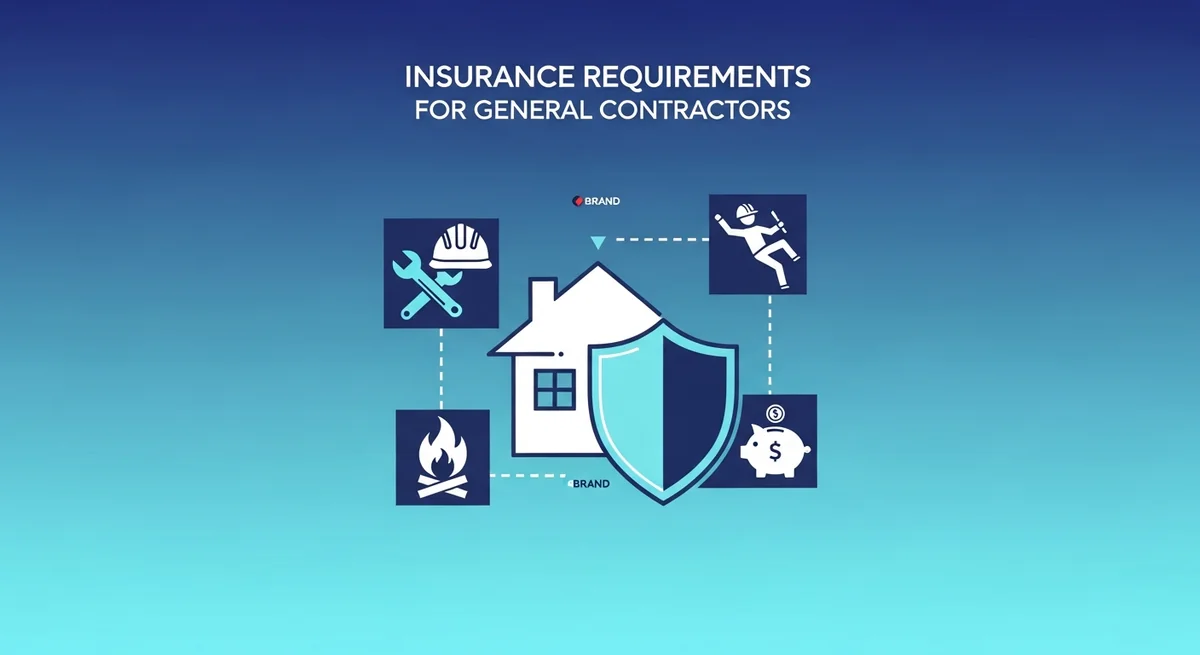
Insurance Requirements for General Contractors
General contractors face unique liability exposures that require comprehensive insurance coverage. Whether you're building residential homes, commercial properties, or managing multiple subcontractors, understanding insurance requirements for general contractors is essential to protect your business, comply with contracts, and avoid costly gaps in coverage.